
An antarctica honeymoon is the rarest journey the two of you can plan — a private voyage through Drake Passage to a continent with no permanent residents, no hotels, no roads, and no sound except the crack of ice and the call of penguins. Antarctica is not a beach honeymoon with better scenery. It is a honeymoon that redefines what the word means: two people, alone at the edge of the known world, watching humpback whales breach in water so still it reflects the glaciers like a mirror.
This is a honeymoon for couples who have already seen the Maldives, already done the safari, and want something that cannot be repeated or replicated. Antarctica does not open its arms. It earns its visitors. The Drake Passage crossing, the zodiac landings, the first sight of the Antarctic Peninsula — these are experiences that arrive with weight, not ease. And that weight is what makes them unforgettable.
We design Antarctica honeymoons around two formats: private yacht charters for absolute exclusivity, and small expedition cruises of fewer than two hundred passengers for a more social but still intimate experience. Both reach the same ice. The difference is how the two of you want to experience it.
Why Antarctica for Your Honeymoon
The Silence at the Bottom of the World
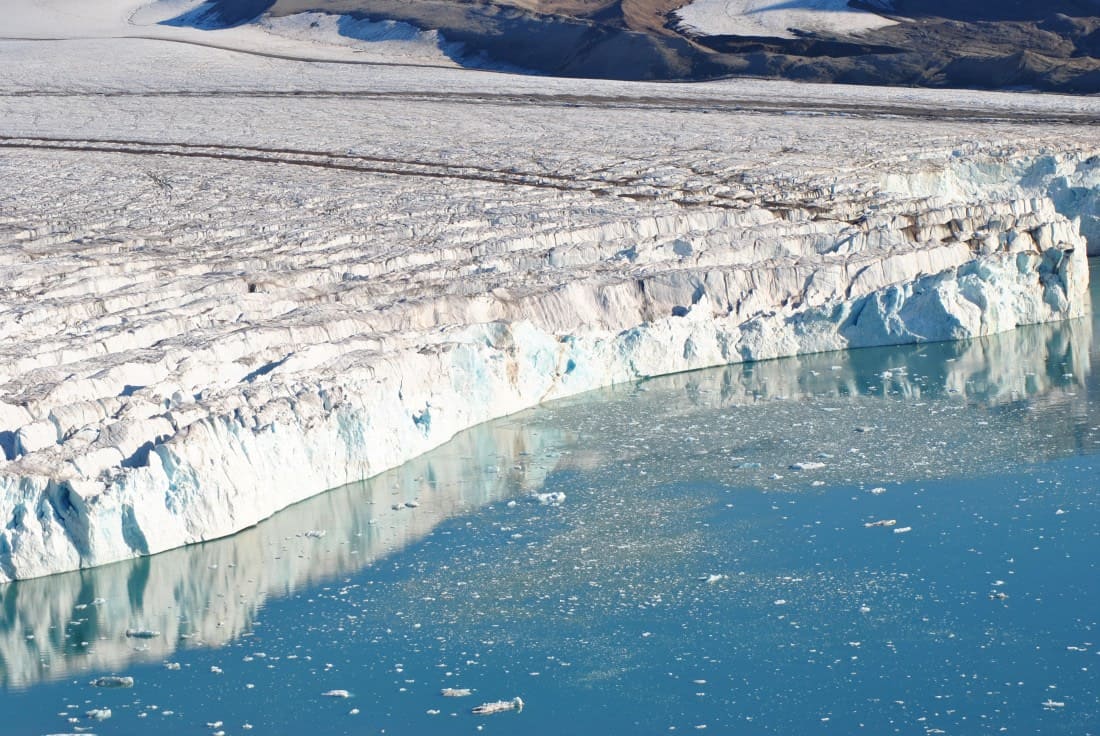
Antarctica’s defining quality is not the cold. It is the silence. Stand on the deck of a small expedition vessel in the Lemaire Channel — the narrow strait between towering ice cliffs that expedition crews call “Kodak Gap” — and the only sounds are the engine idling and the occasional calving of ice from the glacier face. The scale is inhuman. The beauty is absolute. And the experience of sharing it with the person beside you, without a crowd, without a queue, without a notification on your phone, is unlike anything the two of you will find elsewhere.
This is not an overstatement. Antarctica is the most remote honeymoon destination on earth, and the silence that comes with that remoteness is not a feature — it is the entire point.
Wildlife Without Barriers
Antarctic wildlife has no natural land predators, which means the animals show no fear of humans. Gentoo and chinstrap penguins waddle within arm’s reach on the landing beaches, going about their nesting rituals as if the two of you were simply another pair of rocks on the shoreline. Leopard seals watch from ice floes with the disinterest of creatures that have never been hunted. Humpback whales surface alongside zodiacs, close enough to hear the exhale and feel the spray. Orca pods patrol the channels between icebergs, hunting in formation. The wildlife encounters in Antarctica are not observed from a distance — they happen around you, beside you, and sometimes directly in your path.
For the two of you, this means photographs that no safari can replicate, and mornings where the zodiac landing puts you in the middle of a penguin colony of ten thousand pairs — each one apparently indifferent to your presence, entirely absorbed in their own domestic arrangements.
Private Yacht vs. Small Expedition Cruise
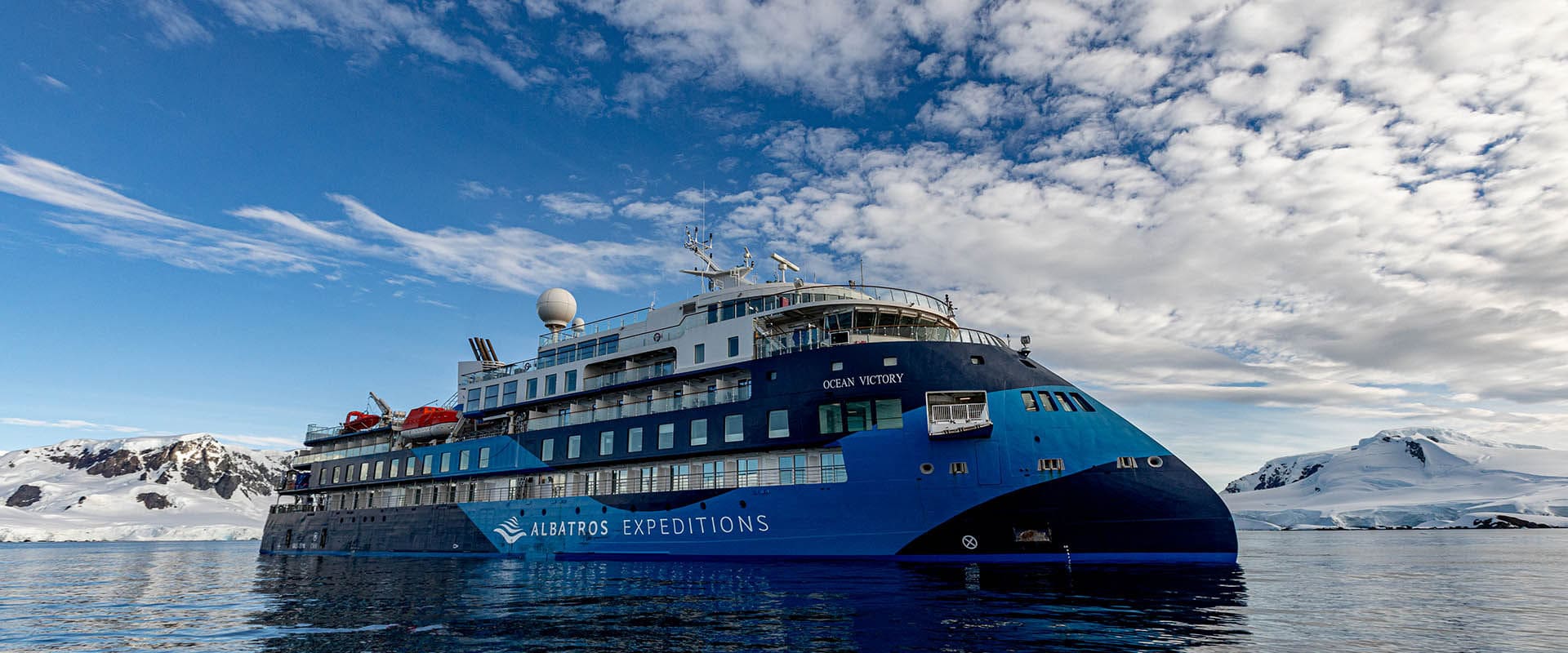
The distinction matters. A private yacht — typically carrying two to twelve guests — gives the two of you total control: where to land, how long to stay, when to move. The vessel adjusts to your rhythm, not to a ship schedule. It is the most exclusive way to experience Antarctica and the format we recommend for honeymoons where privacy is paramount.
A small expedition cruise — operators like Ponant, Aurora Expeditions, Scenic Eclipse and Silversea run vessels carrying 100 to 200 passengers — offers a more sociable experience with expert naturalist guides, onboard lectures, and structured zodiac landings. The best expedition vessels pair polar capability with genuine luxury: heated pools, spa suites, and dining that belongs in a city rather than on a ship. Both formats are valid. Neither involves a cruise ship of five hundred or more passengers — that is a different product entirely, designed for volume rather than immersion, and not one we recommend for a honeymoon.
The Journey: 9 Nights from Ushuaia
A standard Antarctic Peninsula voyage runs nine to eleven nights from Ushuaia, the world’s southernmost city, at the tip of Argentine Patagonia. The itinerary follows the ice, which means no two voyages are identical — but the arc is consistent.
Days 1-2: Drake Passage Crossing
The Drake Passage — the eight-hundred-kilometre stretch of open ocean between South America and Antarctica — takes roughly two days to cross. The crossing is part of the experience: the Southern Ocean swells, the albatross following the wake, and the sense of leaving the connected world behind. Modern expedition vessels are stabilised and comfortable, but the Drake demands respect. On calm days — the “Drake Lake” — the crossing is gentle. On rough days, it is a reminder that Antarctica is earned, not delivered.
Use the crossing days for the onboard programme: naturalist briefings on the wildlife you will encounter, polar history lectures from expedition leaders who have spent decades in Antarctic waters, and preparation for the zodiac landings ahead. The library, the observation lounge, and the long views across the Southern Ocean give the crossing a contemplative quality — a decompression from the connected world before the ice arrives. By the time the South Shetland Islands appear on the horizon, the two of you are ready.
Days 3-7: The Antarctic Peninsula
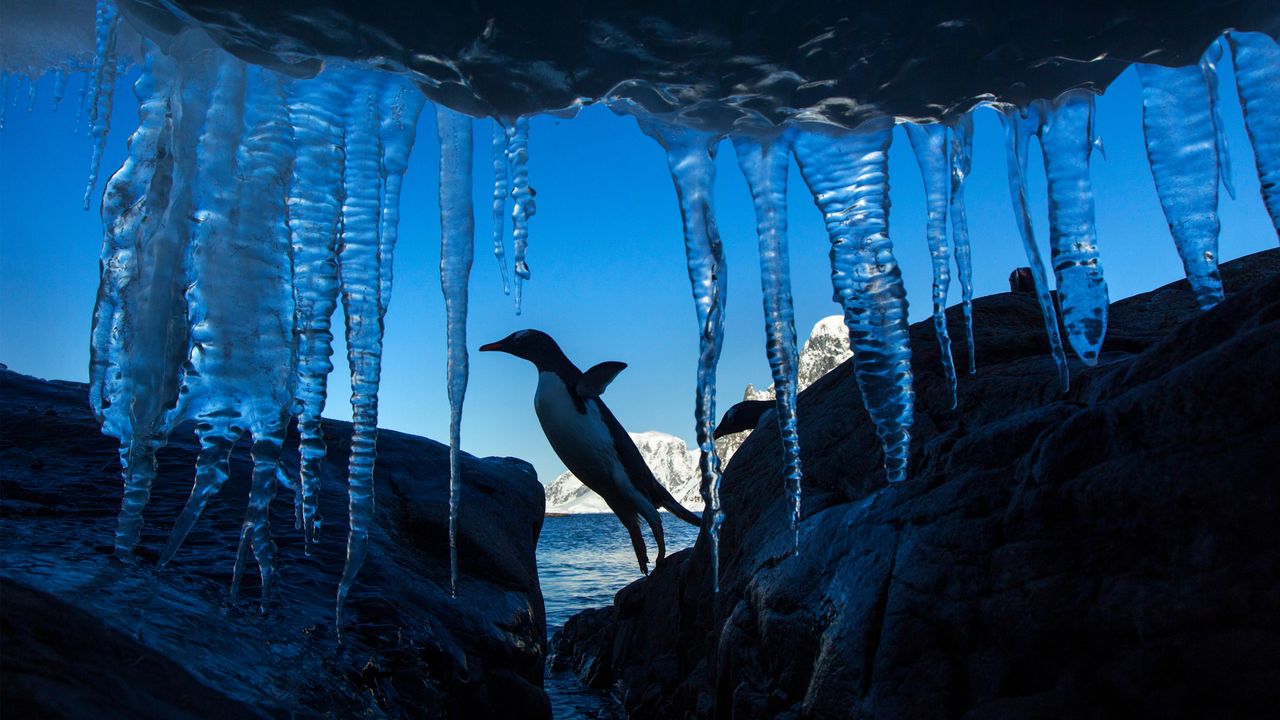
The peninsula is where the honeymoon happens. Zodiac landings — typically two per day — take the two of you ashore at penguin colonies, research stations, historic huts, and beaches where the only footprints in the snow are your own. The key landmarks:
Deception Island — a flooded volcanic caldera where you can swim in geothermally heated water while snow falls on your shoulders. The surreal contrast of warm water and Antarctic air makes Deception one of the most photographed landings on the peninsula.
The Lemaire Channel — a narrow, ice-walled strait that the ship navigates in near-silence. When the conditions are right, the water is so still that the cliffs and glaciers reflect perfectly, and the two of you stand on deck watching a landscape that feels computer-generated in its perfection.
Paradise Bay — named by the whalers who sheltered here a century ago, and still one of the most beautiful anchorages on the peninsula. Glaciers calve into turquoise water, and the silence between calving events is enormous.
The Falkland Islands and South Georgia can be added to extend the voyage to seventeen or twenty-one days — adding king penguin colonies, elephant seal beaches, and the grave of Ernest Shackleton. For most honeymoons, the nine-night peninsula voyage is the right length: intense enough to feel transformative, short enough to leave the two of you wanting more.
Days 8-9: Drake Passage Return
The return crossing gives the experience time to settle. The two of you process what you have seen — the ice, the wildlife, the silence — while the Southern Ocean carries you back toward the continent. The naturalists hold a recap session, the expedition photographer shares images from the voyage, and the mood on the ship shifts from anticipation to reflection. Arrive back in Ushuaia with a day to spare before flying home, and spend it walking the Beagle Channel waterfront with the memory of Antarctica still sharp. Many couples add two or three nights in Patagonia — El Calafate, Torres del Paine — to ease the transition back to the world.
Best Time to Visit Antarctica
The Antarctic season runs from November through March — the only months when the peninsula is accessible by ship. Each month offers something different:
November to December — early season. The ice is still thick, the penguin chicks are hatching, and the landscape is at its most pristine. This is the quietest window, with fewer vessels and the freshest snow.
January to February — peak season. The warmest temperatures (hovering around zero), the longest days (nearly twenty hours of light), and the most active wildlife — penguin chicks are growing, whale activity peaks, and the zodiac landings are at their most rewarding. This is the window we recommend for most honeymoons.
March — late season. The ice begins to re-form, the light turns golden, and the sunsets — rare earlier in the season — become spectacular. Fur seals congregate on the beaches, and the penguin chicks are nearly fledged. Fewer vessels, lower rates, and a mood of departure that suits the closing days of a honeymoon. March is the connoisseur’s choice — the Antarctica that returns to itself after the peak season crowds have departed.
Expedition Experiences to Anchor Your Voyage
Zodiac Landings and Kayaking
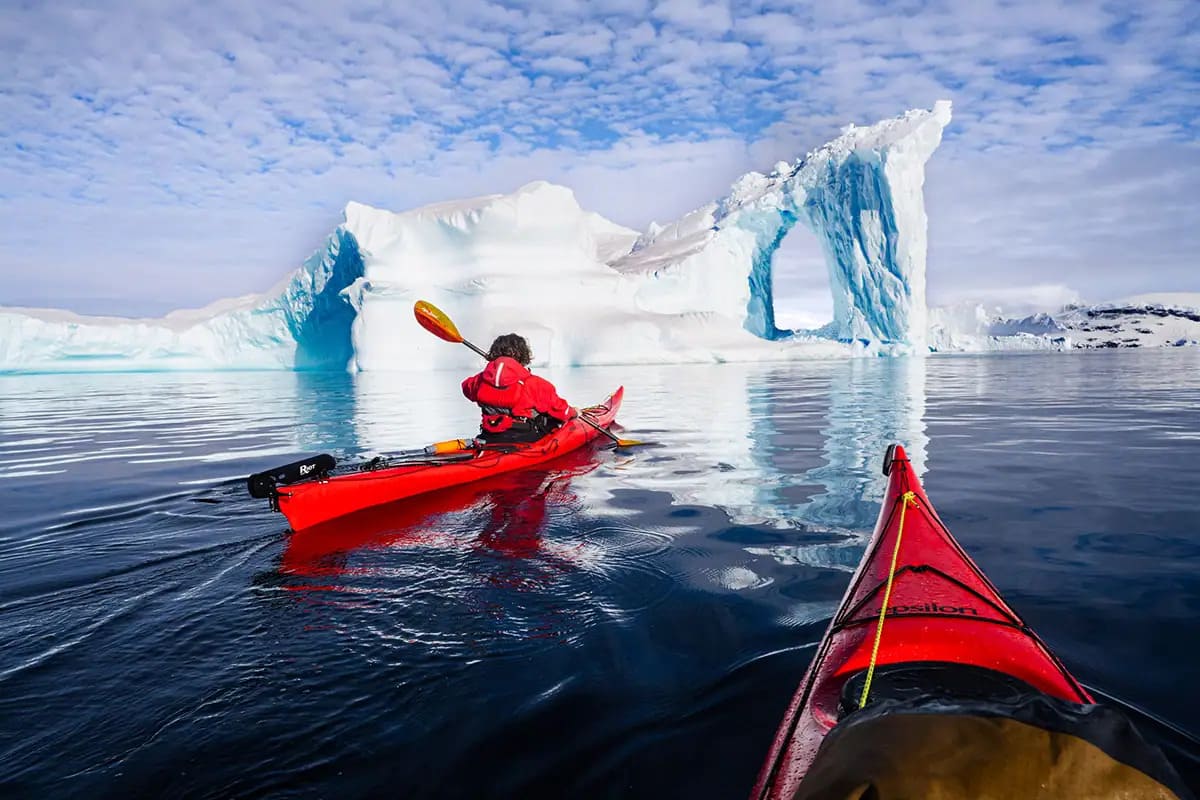
The zodiac is how Antarctica is experienced up close — inflatable boats that carry eight to twelve passengers from ship to shore, navigating between icebergs and past curious seals. Most expedition vessels offer sea kayaking as an optional activity: paddling in silence through brash ice, at eye level with the water, is the most intimate way to experience the peninsula. For the two of you, a tandem kayak through a field of icebergs is the kind of shared experience that defines a honeymoon.
The Polar Plunge
Most expedition cruises offer the polar plunge — a supervised jump into Antarctic water, typically at Deception Island or a sheltered bay. The water temperature hovers around two degrees. The experience lasts seconds. The photograph — and the memory of the two of you surfacing, gasping, laughing — lasts considerably longer.
Camping on the Ice
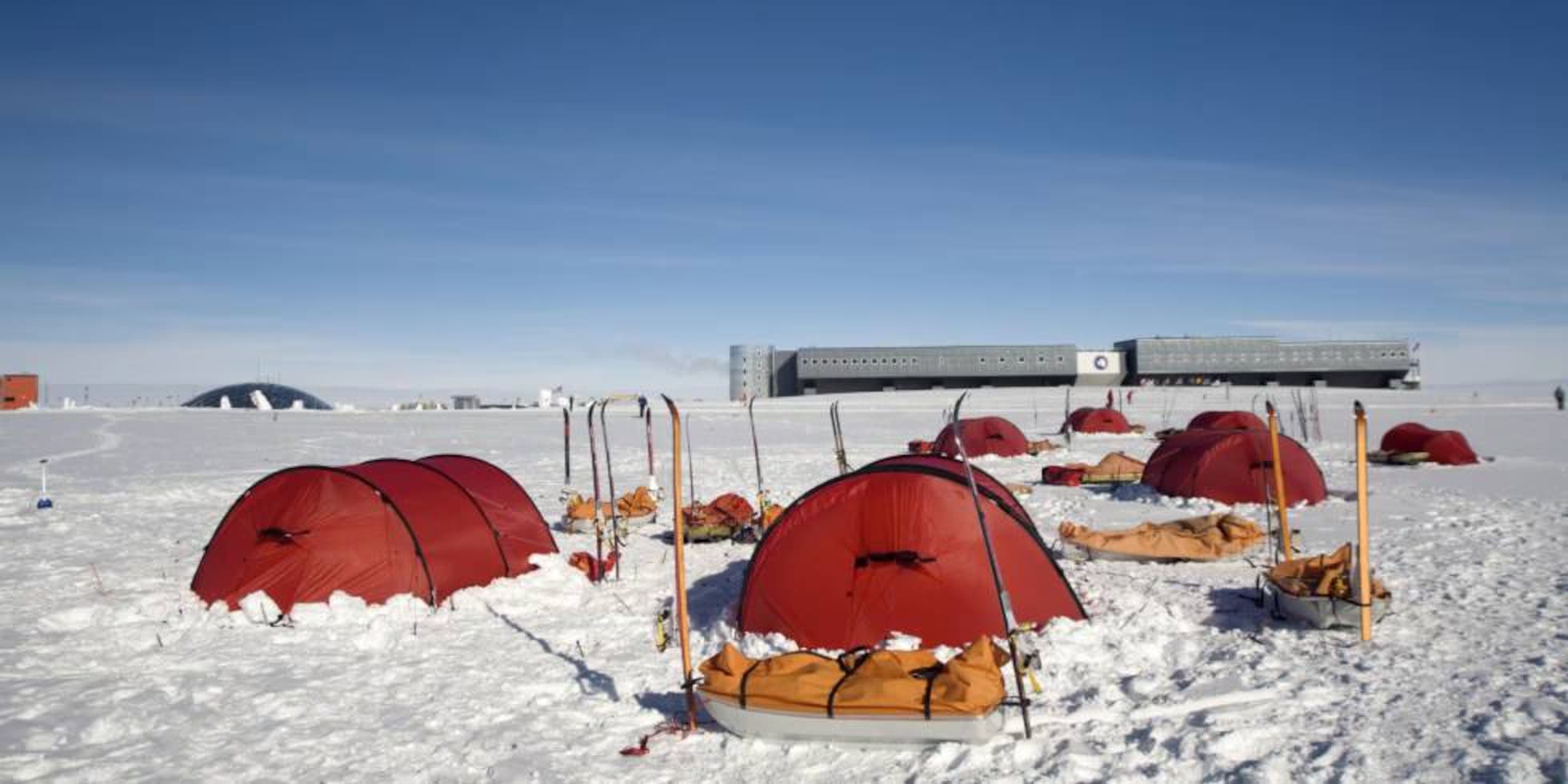
A handful of expedition operators offer overnight camping on the Antarctic continent itself — a night in a bivvy bag on the ice, under the midnight sun, with no tent walls between the two of you and the most remote landscape on earth. It is not comfortable. It is extraordinary. And for the two of you who want the honeymoon to include a story that no one else at the dinner table will ever match, camping on Antarctica is that story.
How We Plan an Antarctica Honeymoon
Antarctica requires booking twelve to eighteen months in advance — the best cabins on the finest expedition vessels sell out early, and private yacht charters operate on limited availability during the short season. We begin with a conversation about format: whether the two of you want the absolute privacy of a yacht charter, or the structured programme and social atmosphere of a small expedition cruise. From there, we match the vessel, the departure date and the cabin to your priorities.
We arrange the Ushuaia logistics — flights, pre-voyage hotel, transfers — and can extend the journey with Patagonia before or after the crossing. Torres del Paine, the Perito Moreno glacier, or a few days in Buenos Aires make natural bookends. Our polar partners are IAATO-certified operators committed to responsible Antarctic tourism under the Antarctic Treaty System that protects the continent.
See the Full Itinerary — our Antarctica Private Yacht Honeymoon follows this arc across nine nights from Ushuaia to the peninsula and back.
Frequently Asked Questions
Can you honeymoon in Antarctica?
Yes — and it is one of the most powerful honeymoon experiences we design. Antarctica is accessible by small expedition cruise or private yacht from November through March. The remoteness, the wildlife and the silence create a honeymoon that is genuinely unlike any other destination.
How long is an Antarctica honeymoon?
A standard Antarctic Peninsula voyage runs nine to eleven nights from Ushuaia, including two days each way crossing the Drake Passage and five to seven days on the peninsula. Extensions to the Falklands and South Georgia add seven to twelve additional nights.
When is the best time to visit Antarctica?
January and February offer the warmest temperatures, longest days and most active wildlife — the window we recommend for most honeymoons. November to December is quieter and more pristine. March offers golden light and lower rates.
Is Antarctica safe for a honeymoon?
Yes. Modern expedition vessels are purpose-built for polar conditions, with ice-strengthened hulls, experienced crews, and comprehensive safety equipment. IAATO-certified operators follow strict environmental and safety protocols. The Drake Passage can be rough, but the vessels are stabilised and comfortable.
What is the difference between a private yacht and an expedition cruise?
A private yacht carries two to twelve guests with complete flexibility on schedule and landings — total privacy and control. An expedition cruise carries 100 to 200 passengers with expert naturalist guides, structured landings, and onboard programmes. Both reach the same ice; the choice depends on whether the two of you want privacy or community.
Antarctica is not a destination the two of you choose because it is convenient. You choose it because nothing else will do — because the two of you want a honeymoon that exists at the edge of the possible, in a landscape that no photograph fully captures and no description adequately prepares you for. This is the journey we design for couples who want the extraordinary, without compromise.
Begin Your Antarctica Honeymoon
Tell us whether you lean toward private yacht or expedition cruise, and when you want to sail. We’ll design the voyage from Ushuaia to the ice and back.