
Cultural honeymoon destinations are not sightseeing trips with a hotel upgrade. They are honeymoons built around the desire to learn — to stand in front of a five-thousand-year-old wall and feel the weight of the civilisation that built it, to watch a ceremony that has been performed daily for a thousand years, to eat food that tells the story of a place as clearly as any museum. A cultural honeymoon is for the two of you who travel not to escape the world but to understand it more deeply — and who believe that the best honeymoon memories are the ones that change how the two of you see something, not just where the two of you went.
The obvious cultural honeymoon destinations — Paris, Florence, Kyoto — are extraordinary cities. But they are also cities where the cultural experience is crowded, curated, and familiar. The six destinations we recommend below are not obvious. They are destinations where UNESCO World Heritage is a living landscape, not a roped-off ruin. Where the heritage is daily, not displayed. Where the two of you encounter culture not through an audio guide but through a shared meal, a monastery visit, a conversation with an artisan who learned the craft from generations before.
What Defines a Cultural Honeymoon
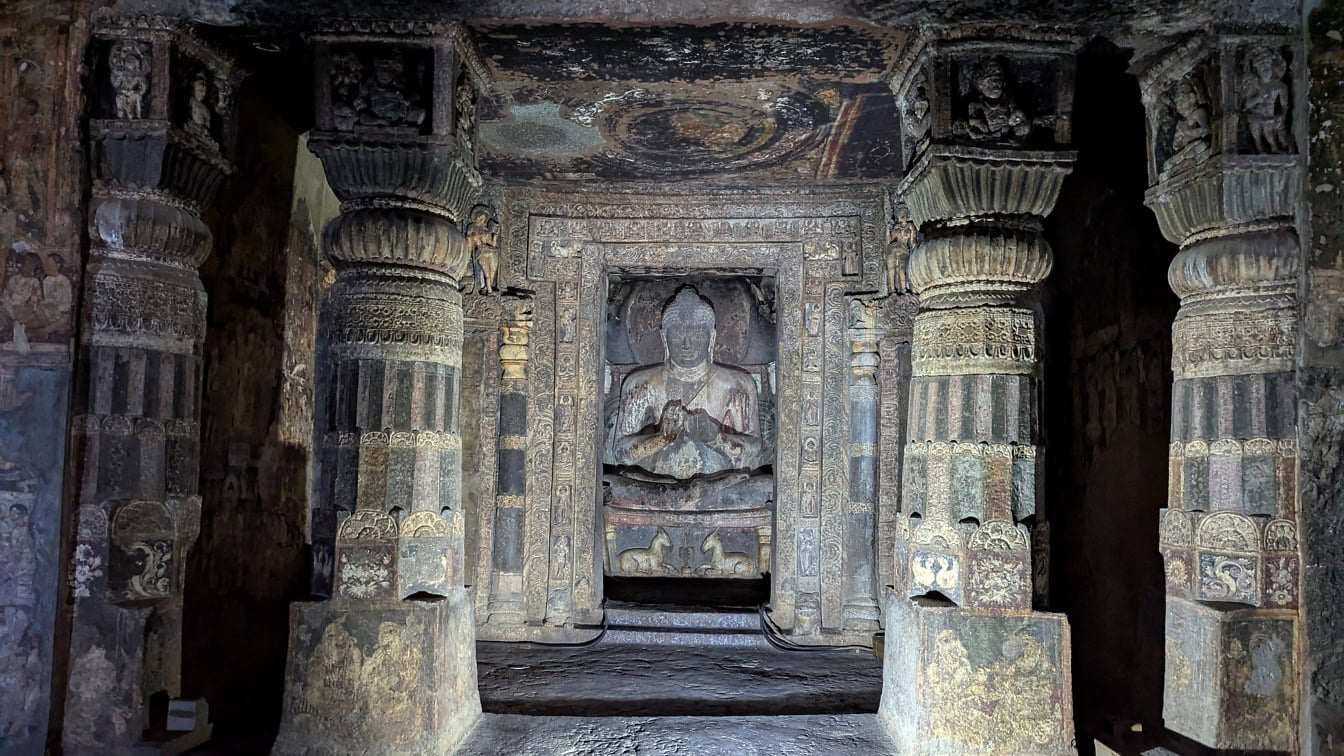
We define a cultural honeymoon by five criteria that separate genuine depth from surface tourism:
UNESCO World Heritage. The destination has sites that are internationally recognised for their cultural significance — not as tourist attractions but as evidence of civilisations that shaped human history. The Forbidden City in Beijing, the Kathmandu Valley monument zones, the Borobudur temple in Java — these are not sights. They are encounters with the ambitions, beliefs, and craftsmanship of people who built without modern tools and created without modern limits.
Living religious traditions. The temples are not museums. They are places where monks chant at dawn, where offerings are made before breakfast, where the spiritual practice of the community is visible, audible, and ongoing. Bhutan’s dzongs, Nepal’s Pashupatinath, Bali’s water temples — these are religious spaces that happen to accept visitors, not visitor spaces that happen to be religious.
Architectural significance. The built environment tells a story — the I. M. Pei museum in Doha, the Newari woodcarvings in Kathmandu, the volcanic stone of Borobudur. Architecture in a cultural honeymoon destination is not background. It is text.
Culinary depth. The food is not fusion or international. It is regional, seasonal, and specific — Newari feast cuisine in Kathmandu, Sichuan pepper in Chengdu, mole in Oaxaca’s Andean equivalent. The dinner table in a cultural honeymoon is a classroom.
Local artisan encounters. The two of you meet the people who make the textiles, the ceramics, the metalwork — not in a gift shop but in a workshop, a village, a market where the craft is still a livelihood rather than a souvenir.
A cultural honeymoon is not an adventure honeymoon. Adventure tests the body. Culture feeds the mind. The distinction matters because the pace is different — cultural honeymoons ask the two of you to slow down, to look twice, to sit in a temple courtyard and watch the light change on the stone rather than move to the next item on the list.
6 Cultural Honeymoon Destinations for Couples Who Travel to Learn
China — Imperial History Across Five Thousand Years
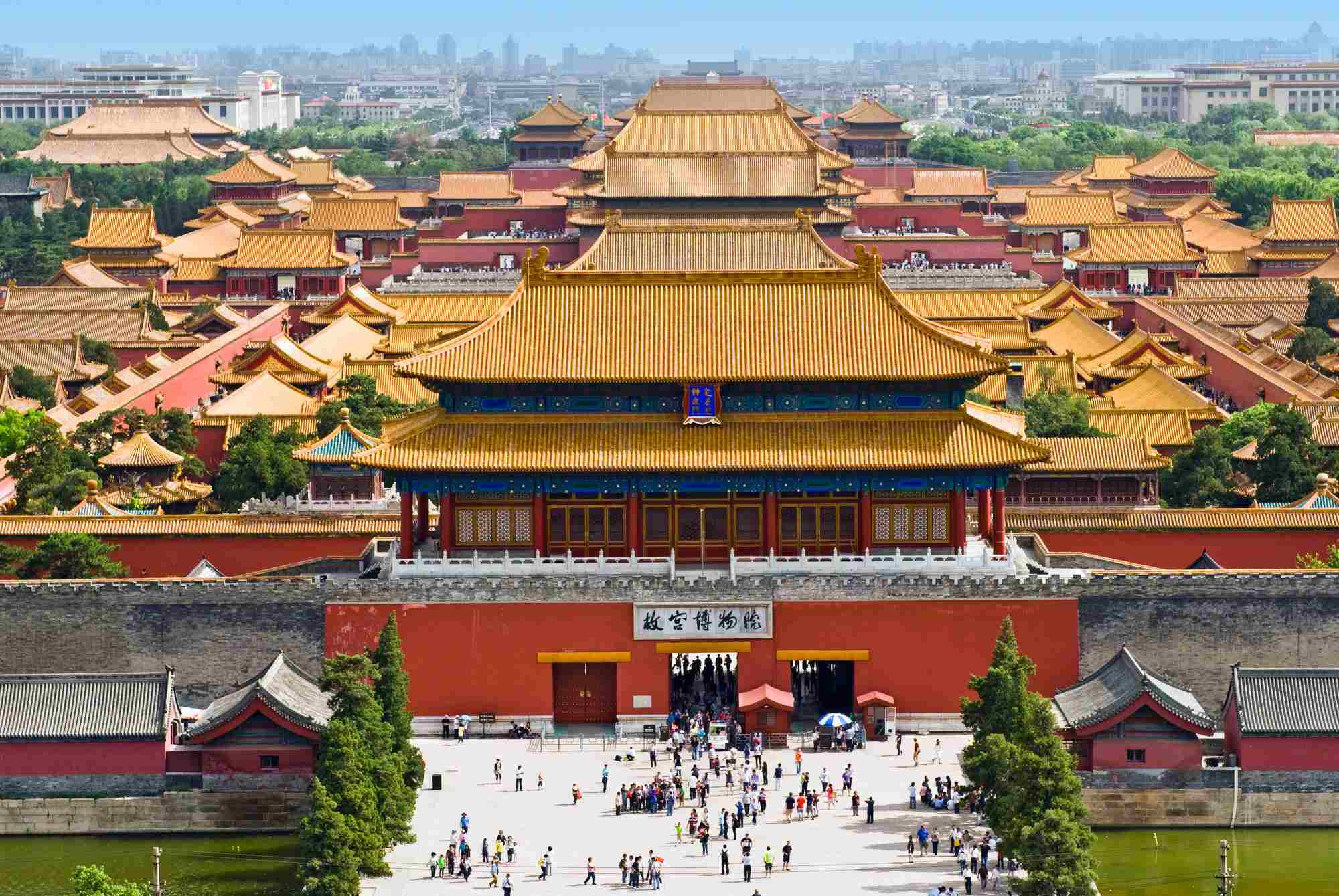
China offers the most ambitious cultural honeymoon in Asia — a fourteen-night journey from the Forbidden City in Beijing to the Terracotta Army in Xi’an, the gardens of Suzhou, and the colonial waterfront of Shanghai. The scale of Chinese heritage is difficult to overstate: four UNESCO sites in Beijing alone, each one representing a different dynasty, a different ambition, a different relationship between emperor and cosmos. The Great Wall at Mutianyu — walked in the early morning before the crowds arrive — feels less like a tourist attraction and more like a conversation with the engineers who built it across mountain ridges without modern surveying. The hutong neighbourhoods of old Beijing offer a counterpoint: narrow alleyways where families have lived for generations, where the two of you eat jianbing from a street cart and watch calligraphers practise in the park at dawn. Move south to Suzhou and the pace shifts entirely — the classical gardens, with their carefully framed views and poetry inscribed on stone, are the Chinese answer to the Italian Renaissance villa. Shanghai closes the journey with the Bund at sunset, where nineteenth-century European banking halls face the glass towers of Pudong across the Huangpu River — a single view that contains two centuries of collision. Read the full China honeymoon itinerary or explore Beijing as a standalone honeymoon.
Bhutan — Buddhist Kingdom Above the Clouds
Bhutan is the cultural honeymoon that changes the two of you — not through spectacle but through philosophy. The Tiger’s Nest monastery, clinging to a cliff face three thousand metres above the Paro valley, is the image that sells the destination. But the substance is deeper: a kingdom that measures national success by happiness rather than output, where every building follows traditional architectural codes enforced by royal decree, where the dzongs — fortress-monasteries that serve as both religious centres and district administration — represent a continuity of governance and worship that few places on earth can match. The Punakha Dzong, at the confluence of the Mo Chhu and Pho Chhu rivers, is the most beautiful building in the Himalayas — whitewashed walls rising from the riverbank, with monks in crimson robes crossing the cantilever bridge at prayer hours. The two of you will notice something unusual within the first day: there are no billboards, no traffic lights, no fast-food chains. Bhutan has chosen, deliberately, to remain culturally intact — and the result is a honeymoon where the two of you absorb a worldview rather than a collection of sights. The Sustainable Development Fee — roughly two hundred dollars per person per day — is not a cost but a filter. It keeps the volume low and the experience undiluted. Read the full Bhutan honeymoon guide.
Nepal — Hindu-Buddhist Valley Heritage
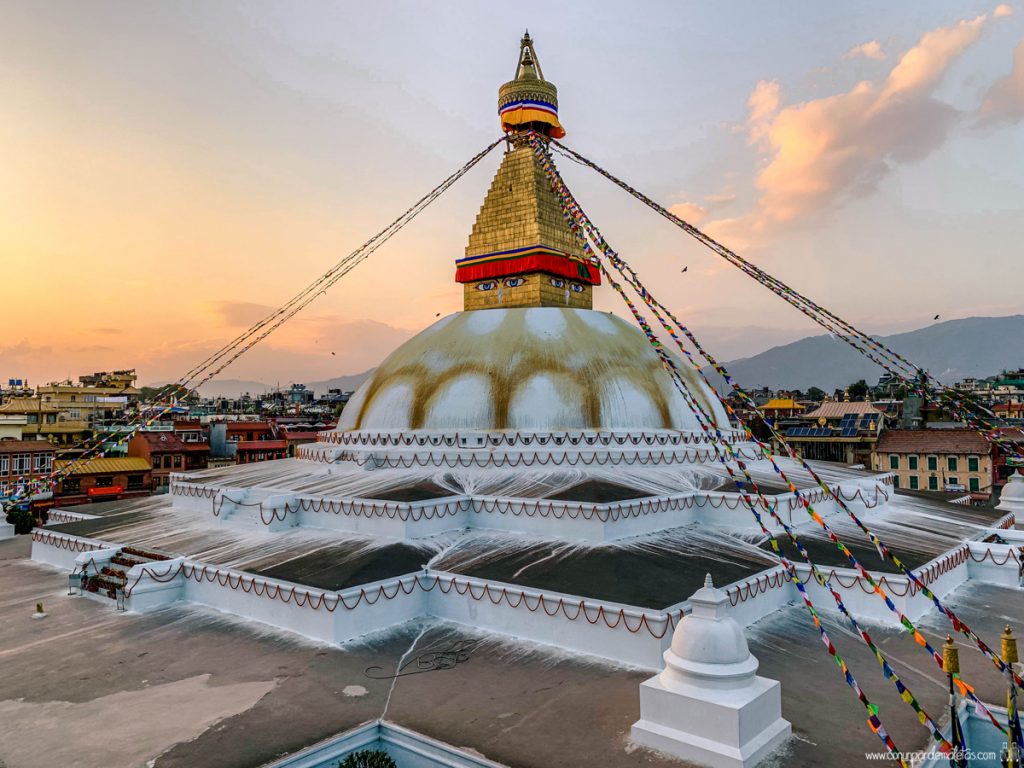
Nepal holds seven UNESCO World Heritage sites within the Kathmandu Valley alone — three ancient cities (Kathmandu, Patan, Bhaktapur), each with its own Durbar Square, its own temples, its own living heritage. What makes Nepal distinct from Bhutan is the cultural mix: Hindu and Buddhist traditions layer over each other in architecture, ritual, and daily life. Pashupatinath, the Hindu cremation temple, operates twenty metres from Boudhanath, the great Buddhist stupa. The tension and harmony between these traditions is the cultural education. Dwarika’s Hotel, built from salvaged medieval woodcarvings, makes the heritage tangible at the level of the two of you’s accommodation. Read the full Nepal honeymoon guide.
Qatar — Contemporary Gulf Architecture
Qatar is cultural heritage in the present tense — not preserved but being built. The Museum of Islamic Art, designed by I. M. Pei at the age of ninety-one, sits on its own island in Doha Bay — a building of geometric limestone that draws from centuries of Islamic architectural tradition while belonging entirely to the twenty-first century. Inside, the collection spans fourteen centuries of Islamic art from three continents. The National Museum of Qatar, by Jean Nouvel, tells the story of the peninsula through architecture that echoes the desert rose crystal formation — a building that looks as if the desert itself decided to become a museum. Souq Waqif is the living counterweight — spices, falcon sellers, perfume merchants, oud smoke drifting through narrow corridors — the market that anchors Doha’s cultural identity against the glass towers of the West Bay skyline. In the evening, the two of you move from the souq to Msheireb, the heritage quarter rebuilt as a model of sustainable urbanism, where restored Qatari courtyard houses sit alongside contemporary galleries. Qatar offers a cultural honeymoon that is contemporary rather than historical, and for the two of you who are drawn to what a culture is building rather than what it built, Qatar is the destination that most other listicles overlook. Read the full Qatar honeymoon guide.
Bolivia — Andean Civilisation Before the Inca
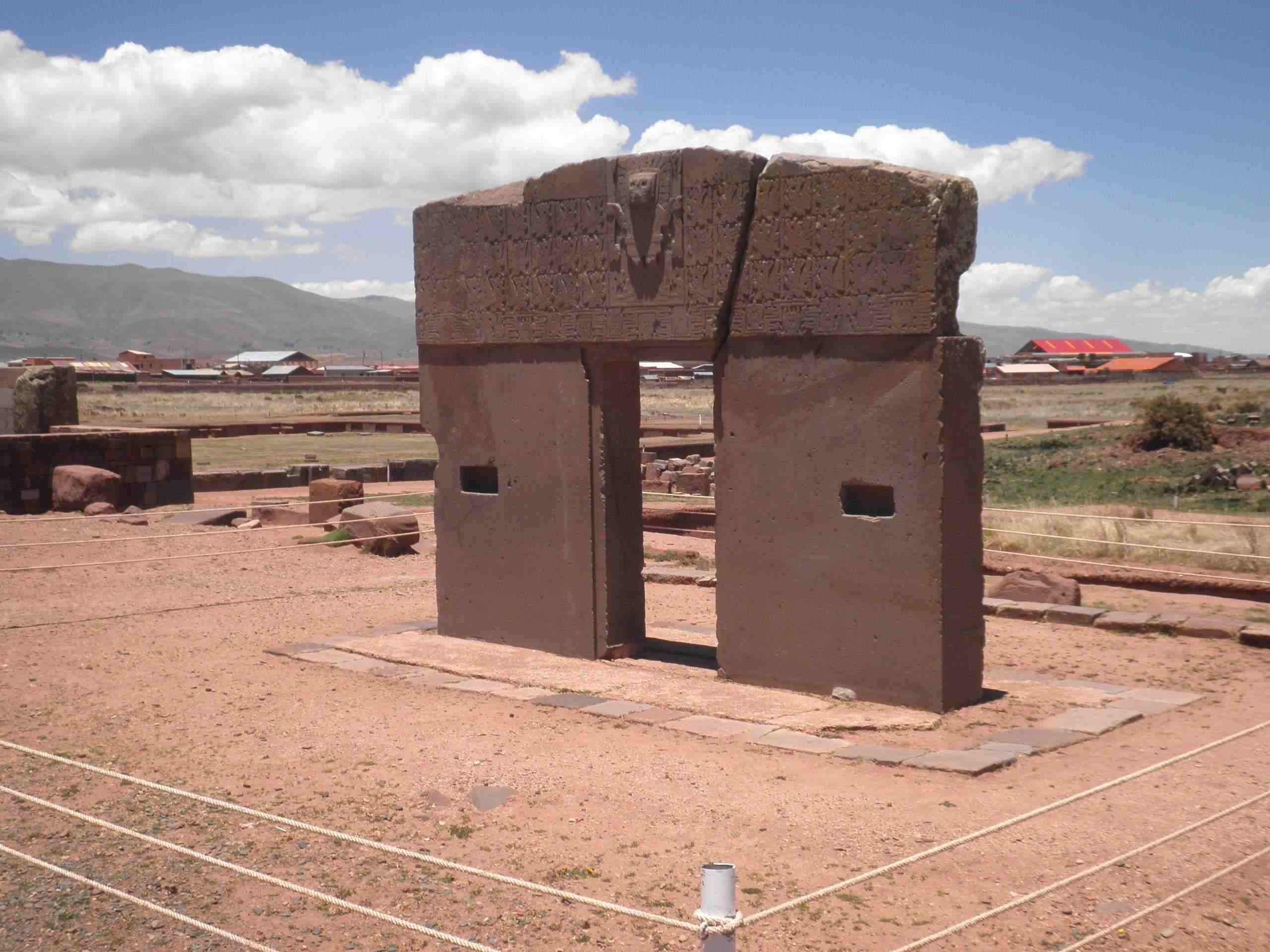
Bolivia adds a dimension that most cultural honeymoon lists miss: civilisation at altitude. Tiwanaku, an hour from La Paz, was the capital of an empire that predated the Inca by five hundred years — a civilisation that carved stone, built pyramids, and organised a society across the Altiplano without the wheel, without iron, and without written language. The Gate of the Sun, the Kalasasaya temple, and the monoliths are the evidence. La Paz itself is a cultural experience — the Witches’ Market, the colonial churches, the Aymara textile tradition that survives in the bowler hats and aguayos of the women in El Alto. The Salar de Uyuni adds a visual dimension that no museum can replicate. Read the full Bolivia honeymoon guide.
Indonesia — Java’s Temples and Bali’s Ceremonies
Indonesia offers two cultural registers in a single honeymoon. Borobudur, the ninth-century Buddhist temple in central Java, is the largest Buddhist monument in the world — a mandala in stone, with five hundred and four Buddha statues arranged across nine platforms that ascend from the earthly toward the divine. The two of you arrive at dawn, before the site opens to general visitors, and watch the sun rise over the Kedu Plain while mist lifts from the surrounding volcanoes — a moment that has not changed in twelve centuries. Prambanan, twenty minutes away, is its Hindu counterpart — a cluster of towers dedicated to Shiva, Vishnu, and Brahma, with relief panels that narrate the Ramayana in volcanic stone. Together they represent one of the most remarkable cultural concentrations in Southeast Asia: two world religions, two architectural traditions, separated by thirty kilometres and constructed within the same century. Move to Bali and the cultural register shifts from monumental to intimate: daily temple offerings arranged on banana leaves before breakfast, rice terrace ceremonies where the village blesses the irrigation channels, the Ubud dance performances that are not staged for visitors but performed as part of the community’s spiritual calendar. The Legong, performed by girls as young as eight with absolute precision, is not entertainment — it is devotion made visible. Amanjiwo, overlooking Borobudur, and Amandari, above the Ayung River in Ubud, are the accommodations that anchor each section. Read the full Indonesia honeymoon guide.
How to Balance Culture and Rest on Your Honeymoon
The concern that a cultural honeymoon means twelve-hour days of temples and museums is the reason most couples default to a beach resort. It is also unfounded — if the itinerary is designed correctly.
The pattern we recommend is simple: two cultural days followed by one rest day. The cultural days involve guided visits, walks through heritage quarters, meals at local restaurants where the food itself is part of the education. The rest day involves the hotel spa, a slow morning, a swim, or simply sitting on a terrace watching the light change on a landscape the two of you now understand differently than the two of you did three days ago. In Nepal, the rest day is a morning on the Pokhara lakeside with Machapuchare reflected in the water. In Indonesia, it is a Balinese spa treatment using techniques that have been part of the island’s healing tradition for centuries. In Qatar, it is the infinity pool at the Mandarin Oriental overlooking the Gulf, followed by an evening walk through Msheireb as the temperature drops. The rest days are not interruptions. They are the moments where the two of you process what the cultural days gave — and return the next morning with fresh eyes.
The second principle is sequencing. A well-designed cultural honeymoon moves from context to detail — the two of you see the Forbidden City before the hutong neighbourhoods, so the imperial scale makes the intimate scale more meaningful. The two of you visit Borobudur before the Bali village ceremonies, so the monumental Buddhism gives context to the daily devotion. This is not just scheduling. It is narrative — and a cultural honeymoon without narrative is a list of places.
A cultural honeymoon that respects this rhythm is not exhausting. It is exhilarating — because the two of you learn something together every day, and the evenings are spent discussing it over dinner rather than scrolling through the same photographs the two of you will forget by next month.
How We Plan a Cultural Honeymoon
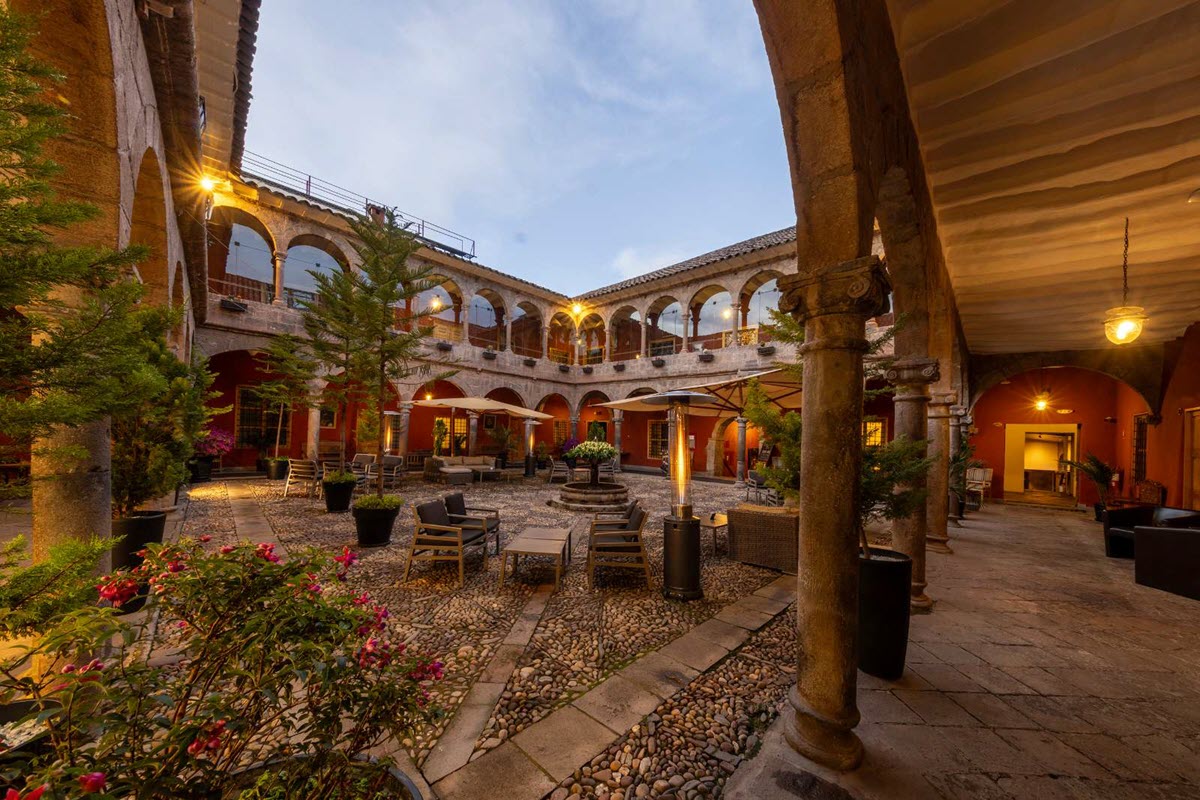
Cultural honeymoons require guides who know the material — not tour leaders who read from a script but historians, art specialists, and local scholars who can answer the questions the two of you did not know to ask. We begin with a conversation about what the two of you want to learn: whether the honeymoon is anchored in history (China, Nepal, Bolivia), in spirituality (Bhutan, Bali), or in contemporary culture (Qatar, Indonesia). From there, we match the destination, select the heritage hotels — properties where the accommodation itself contributes to the cultural experience — and arrange the guided experiences that transform a visit into an education.
The accommodation is not separate from the culture. In Kathmandu, Dwarika’s Hotel is built from salvaged medieval woodcarvings that would otherwise have been lost to the earthquakes and demolitions of the last century. In Java, Amanjiwo overlooks Borobudur from the opposite ridge, and the morning light on the temple is visible from the bedroom. In Bhutan, the Amankora lodges occupy converted farmhouses and forest clearings in the valleys between dzongs. In each case, the hotel does not interrupt the cultural experience — it extends it. The two of you return from a day at a temple and sit in a courtyard that was carved by the same tradition.
We work with specialist guides at each destination — the art historian who explains the Forbidden City’s feng shui orientation along Beijing’s central axis, the monk who opens the Tiger’s Nest monastery before the public hours and chants with the two of you in the prayer hall, the archaeologist who walks the two of you through Tiwanaku with the knowledge of someone who has spent seasons excavating the Kalasasaya platform. These connections are what separate a cultural honeymoon from a cultural itinerary.
Frequently Asked Questions
What is a cultural honeymoon?
A honeymoon built around the desire to learn — anchored in UNESCO World Heritage, living religious traditions, architectural significance, culinary depth, and encounters with local artisans. It is not sightseeing with a better hotel. It is travel that changes how the two of you see the world.
Best destinations for couples who love history?
China for imperial scope across five millennia. Nepal for the Kathmandu Valley’s seven UNESCO zones. Bolivia for pre-Inca civilisation at altitude. Each offers historical depth that the mainstream honeymoon circuit — Paris, Florence, Rome — cannot match in terms of discovery.
How to plan a cultural honeymoon?
Start with what the two of you want to learn. Choose a destination with UNESCO heritage that aligns with that interest. Build the itinerary around the two-cultural-one-rest-day pattern. Select heritage hotels that contribute to the experience. Arrange specialist guides at each site.
Cultural honeymoon vs adventure honeymoon?
A cultural honeymoon feeds the mind — temples, museums, heritage, cuisine. An adventure honeymoon tests the body — glaciers, rainforest, salt flats, diving. Some destinations (Nepal, Bolivia, Indonesia) offer both. The choice depends on whether the two of you want to learn or to challenge yourselves — or both.
Honeymoon destinations for art lovers?
Qatar for the Museum of Islamic Art and National Museum. Indonesia for Borobudur and the Ubud art scene. China for the Forbidden City and the 798 Art District in Beijing. All three destinations combine world-class art with cultural depth that goes beyond the gallery.
A cultural honeymoon is not a holiday with museums added. It is a journey that the two of you take toward something — toward understanding, toward depth, toward the kind of shared discovery that becomes the foundation of a partnership. For the two of you who believe that the best honeymoon memories are the ones that teach something, these six destinations are where we would begin.
Plan a Cultural Honeymoon With Us
Tell us what the two of you want to learn, and where. We’ll design the journey from temple to table.