
Off-the-beaten-path honeymoon destinations are for the two of you who have already been somewhere — who have done the Maldives, who have seen Santorini, who have stayed in the overwater bungalow — and who want a honeymoon that is not a resort with a view but a place with a story. These are destinations without packages, without crowds, and without the feeling that the experience was designed for someone else. They are places where the two of you are the only visitors at the ruin, the only guests at the lodge, the only people on the salt flat that stretches to the horizon.
We curate eight destinations for couples who have seen the postcards and want what exists beyond them. Each one meets a specific set of criteria — low tourist volume, no all-inclusive infrastructure, living culture or untouched wilderness, and access that requires intention rather than a direct flight from a major hub. These are not difficult destinations. They are deliberate ones.
What Makes a Honeymoon “Off the Beaten Path”
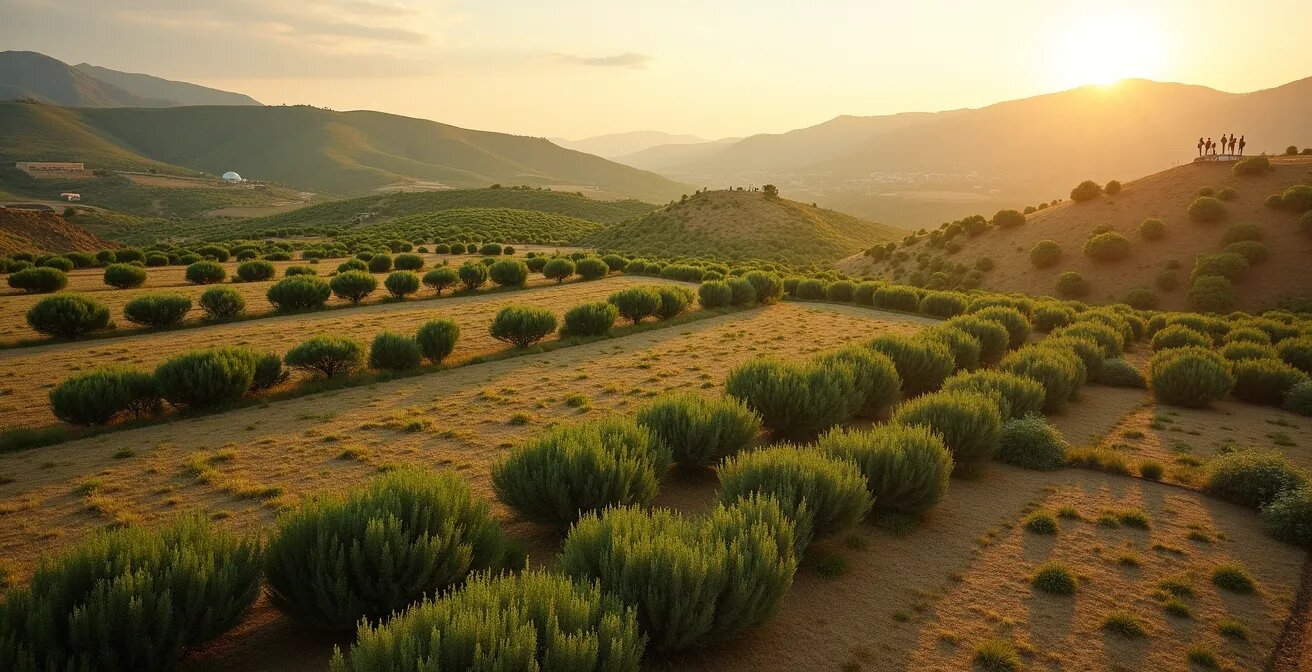
The phrase is overused. Every travel brand claims it. We define it with four criteria that separate genuine off-the-beaten-path destinations from rebranded popular ones:
Low tourist volume. The destination receives fewer than five hundred thousand international visitors per year, or the specific region within a country (the Westfjords of Iceland, the Kinabatangan corridor of Borneo) receives a fraction of the country’s total. Volume matters because it determines whether the two of you are sharing the experience with a crowd or having it alone.
No all-inclusive infrastructure. There are no Sandals, no Iberostar, no package-holiday pipeline. Accommodation is boutique, lodge-based, or expedition-level — properties that exist because someone believed in the place, not because a hotel chain identified a market.
Living culture or untouched wilderness. The destination offers something that cannot be replicated: Inuit communities in Greenland, Aymara villages on Lake Titicaca, orangutans in primary rainforest, icebergs calving from glaciers that are older than civilisation. The experience is anchored in something real, not manufactured for visitors.
Intentional access. Getting there requires a connecting flight, a boat transfer, or a road that is not on the main route. The effort is part of the experience — it filters the visitors and preserves the quality of the place.
8 Off-the-Beaten-Path Destinations We Curate for Couples
Mozambique — Africa’s Quietest Coast
Mozambique is the Indian Ocean honeymoon that most travellers have never considered — and the one that delivers what the Maldives promises but cannot: real privacy, African culture, dhow sailing tradition, and a coastline where the two of you are the only guests on a sandbar that disappears at high tide. The Bazaruto Archipelago and the Quirimbas offer private island lodges with house reefs where the snorkelling rivals anything in the Seychelles. The mainland coast adds the possibility of a bush-and-beach combination with Gorongosa or the Kruger across the border — two weeks that move from whale shark diving to Big Five safari with a single connecting flight. Read the full Mozambique honeymoon guide.
Qatar — The New Gulf Beyond Dubai
Qatar is the Gulf honeymoon for couples who want architecture, culture, and desert — not a shopping mall with a hotel attached. The Museum of Islamic Art, designed by I. M. Pei, is the finest single museum in the Middle East. The National Museum of Qatar, by Jean Nouvel, is the most ambitious architectural statement in the region. Souq Waqif is a working market that predates the skyscrapers by centuries. And the Inland Sea — Khor Al Adaid, a UNESCO-recognised natural reserve where the desert meets the sea — is where the two of you spend a night in the dunes with nothing but sand and stars. Qatar is contemporary luxury with substance behind the surface. Read the full Qatar honeymoon guide.
Bhutan — A Spiritual Kingdom
Bhutan is the only country that measures success by Gross National Happiness rather than GDP — and the honeymoon reflects that philosophy. The Tiger’s Nest monastery, the dzongs of Punakha and Paro, and the multi-lodge circuits of Amankora and Six Senses create a honeymoon that is contemplative rather than consumptive. Bhutan charges a sustainable development fee that limits visitor numbers and funds conservation — the fee is not a barrier but a filter, and the result is a country that feels unhurried in a way that no amount of money can buy elsewhere. Fewer than three hundred thousand visitors per year enter Bhutan; compare that to the eight million who visit neighbouring Nepal. Read the full Bhutan honeymoon guide.
Antarctica — The End of the World
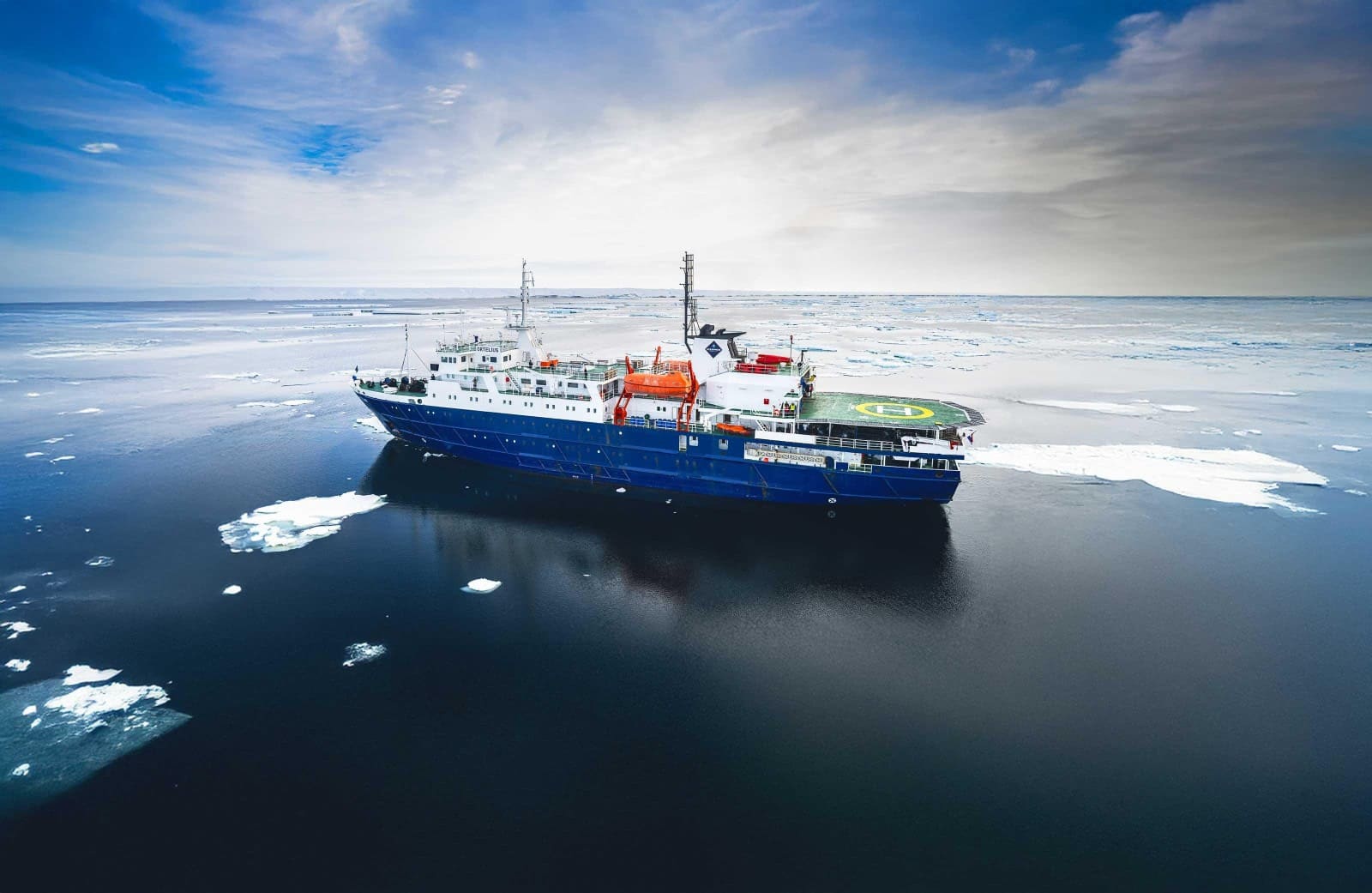
Antarctica is the most remote honeymoon on earth — a private voyage through the Drake Passage to a continent with no permanent residents, no hotels, and no sound except the crack of ice and the call of penguins. The two of you reach the peninsula by small expedition cruise or private yacht from Ushuaia, spend five to seven days making zodiac landings at penguin colonies, volcanic calderas, and channels of still water flanked by glacier walls. The wildlife has no fear of humans — gentoo penguins waddle within arm’s reach, humpback whales surface beside the zodiac, and the silence between calving events is enormous. Nothing else compares. Read the full Antarctica honeymoon guide.
Norway Fjords — Slow Nordic Silence
The Norway fjords honeymoon is slow travel through light and water — ten nights moving from Bergen to the Flam Railway, through Geirangerfjord and Naeroyfjord by private boat, to the Lofoten Islands above the Arctic Circle. The Flam Railway alone — a twenty-kilometre descent through tunnels and past waterfalls, dropping eight hundred metres from mountain to fjord — is one of the most dramatic rail journeys in the world. The massive cruise ships that enter the fjords carry thousands of passengers; the two of you travel by private vessel, stay in converted boathouses and fjordside lodges, and experience a quality of silence that the word Nordic barely contains. Summer brings midnight sun; winter brings the aurora. Read the full Norway fjords honeymoon guide.
Borneo — Rainforest and Orangutans
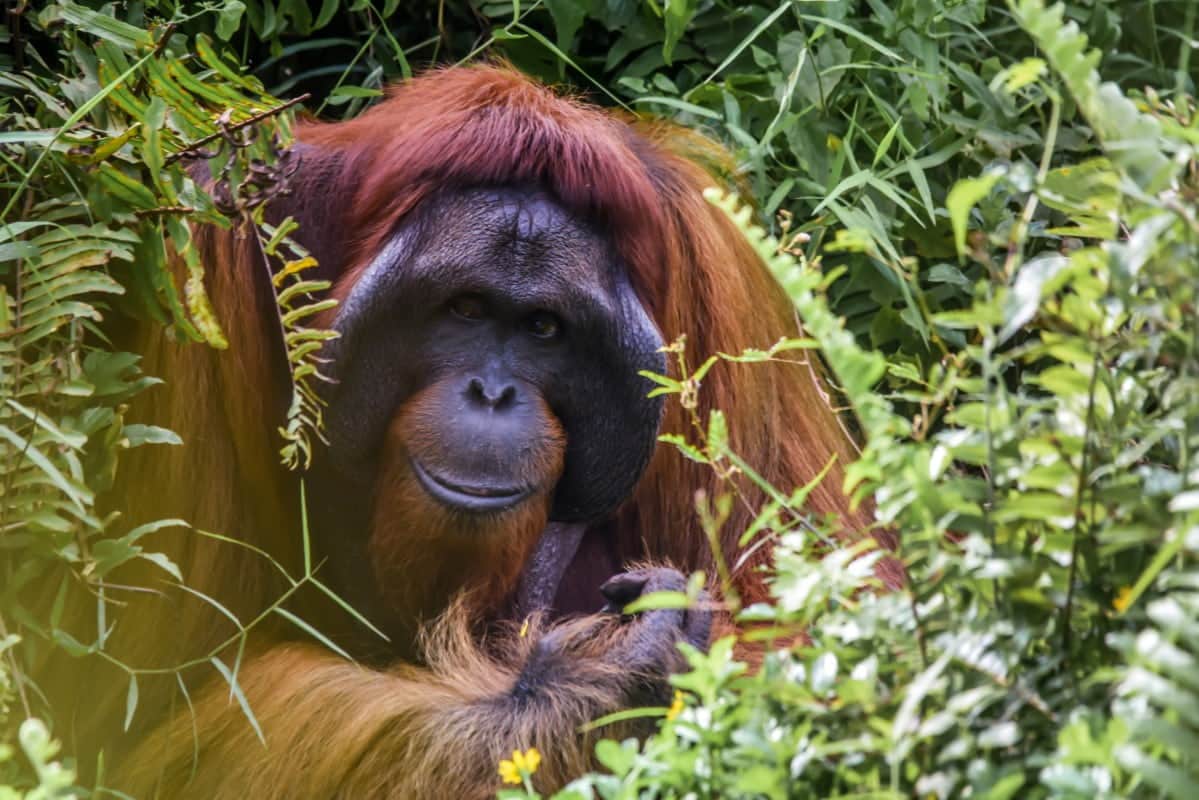
Borneo follows a natural arc — rainforest, river, island — that no other destination in Asia can replicate. The two of you watch orangutans at Sepilok, drift along the Kinabatangan River at dusk while proboscis monkeys watch from the trees, spend two nights in the primary forest of Danum Valley where night drives reveal civets, slow lorises, and the possibility of the Sunda clouded leopard, and finish on a coral island where the reef begins at the shoreline. The rainforest here is one hundred and thirty million years old — older than the Amazon, older than most mountain ranges. Borneo is a wildlife honeymoon with a beach ending, not the other way around. Read the full Borneo honeymoon guide.
Greenland — Icebergs and Inuit Culture
Greenland is the furthest the two of you can travel from everything familiar while remaining on earth. Fifty-six thousand people on an island the size of Western Europe. No roads between towns — only boats, helicopters, and small planes that fly when the weather allows. Icebergs the size of apartment buildings drifting past settlements of colourful wooden houses where fishermen bring in halibut from the icefjord each morning. The Ilulissat Icefjord — a UNESCO World Heritage site — produces twenty billion tonnes of ice per year, and watching the bergs calve into the water at midnight under the Arctic sun is among the most arresting natural spectacles on earth. The Inuit communities that have lived here for four thousand years offer a cultural dimension that neither Iceland nor Antarctica can match — this is not just wilderness, it is inhabited wilderness. Read the full Greenland honeymoon guide.
Bolivia — Salt Flats and the Andes
Bolivia is the honeymoon at altitude — the Salar de Uyuni, the world’s largest salt flat, transforms into a perfect mirror of the sky in the wet season, creating an infinite horizon where the two of you stand in what appears to be a blue void with no edge. La Paz sits in a canyon at three thousand six hundred metres, with the teleférico cable car system offering aerial views of a city built vertically. Lake Titicaca’s Bolivian shore holds Inca ruins on the Isla del Sol and Aymara villages that the Peruvian side’s tour groups never reach. And Tiwanaku, an hour from La Paz, predates the Inca by a millennium — a civilisation that most visitors have never heard of, preserved in stone. The altitude is real, the logistics are demanding, and the landscape is surreal in a way that no photograph fully captures. For the two of you who want a honeymoon that operates at the edge of the familiar, Bolivia is the edge. Read the full Bolivia honeymoon guide.
How to Choose Your Off-the-Beaten-Path Destination
Eight destinations. One honeymoon. The choice depends on what the two of you want to feel, not just what the two of you want to see:
For culture seekers: Bhutan and Qatar. Both offer living heritage — one spiritual and Himalayan, the other architectural and Gulf. Bhutan is contemplative, slow, and filtered by the development fee. Qatar is contemporary, design-led, and expanding. If the two of you travel to learn, these are the destinations that teach the most. Bhutan suits the two of you who want to slow down and reflect. Qatar suits the two of you who want to engage with a culture that is building something new.
For adventure seekers: Antarctica and Bolivia. Both demand something of the traveller — the Drake Passage crossing, the altitude of the Altiplano — and both reward that effort with landscapes that no other honeymoon can offer. Antarctica is the more extreme (and the more expensive): nine nights from Ushuaia, zodiac landings on a continent with no permanent residents. Bolivia is the more culturally layered: Inca ruins, Aymara communities, and a salt flat that redefines what a landscape can be. Choose Antarctica if the two of you want the remotest honeymoon on earth. Choose Bolivia if the two of you want the most surreal.
For nature and beach: Mozambique and Borneo. Both combine wildlife with coast — Mozambique adds an African dimension (dhows, bush-and-beach with safari), while Borneo adds a Southeast Asian dimension (orangutans, primary rainforest, coral reefs). Mozambique is the quieter of the two — private island lodges with fewer than twenty rooms. Borneo is the wilder — encounters with orangutans at arm’s reach, river safari at dusk, and a canopy so dense it filters the equatorial sun into green shadow.
For slow Nordic: Norway and Greenland. Both offer fjords, silence, and the choice between midnight sun and northern lights. Norway is more accessible, with trains, boutique hotels, and a developed tourism infrastructure that makes ten nights feel effortless. Greenland is more remote, with Inuit culture and icebergs on a scale that Norway cannot match — but logistics that require more flexibility and planning. Norway is the honeymoon the two of you plan with confidence. Greenland is the honeymoon the two of you plan with courage.
Not sure which style is yours? The answer often lies in how the two of you have travelled before. If previous trips were beach-led and the two of you want to shift, start with Borneo or Mozambique — familiar comfort with an unfamiliar edge. If previous trips were city-led and the two of you want nature, Norway or Greenland offer the widest horizon. If the two of you have done both and want something entirely new, Antarctica and Bolivia operate on a register that nothing in the mainstream honeymoon world can touch.
How We Plan an Off-the-Beaten-Path Honeymoon
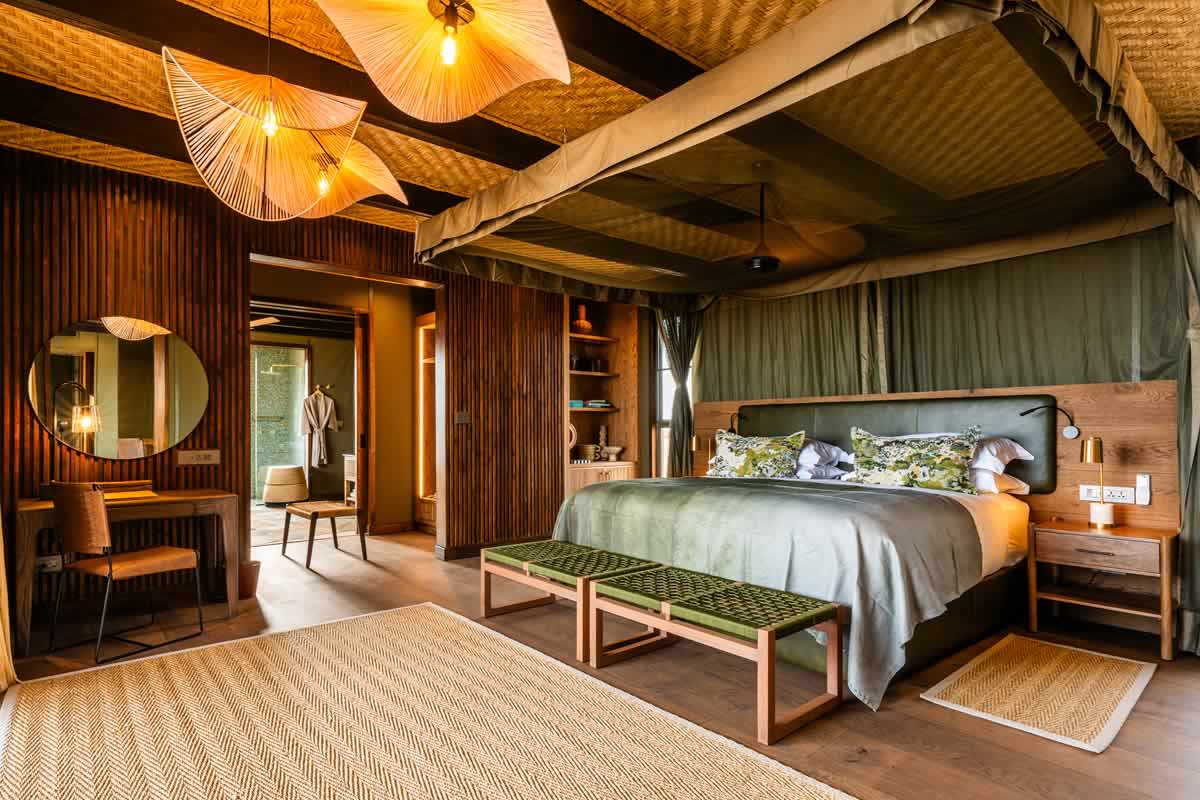
Off-the-beaten-path destinations require more planning, not less. The lodges are smaller and book further in advance. The flights are less frequent. The logistics — permits, guides, transfers — are handled by local partners who know the terrain. We begin with a conversation about what the two of you want: which of the eight destinations resonates, how many nights the honeymoon allows, and whether the two of you want to combine destinations (Mozambique and a safari, Bolivia and Patagonia, Norway and Iceland).
Every honeymoon we design for off-the-beaten-path destinations includes a detailed day-by-day route, a local fixer or guide at each stop, and accommodation selected for its position in the landscape — not its star rating. We work with operators in each destination who know the terrain personally — the boat captain in the Bazaruto Archipelago, the glacier guide in Greenland, the monastery host in Bhutan — because the quality of the local connection is what separates a curated honeymoon from a catalogue one. The result is a honeymoon that feels designed, not delivered.
Frequently Asked Questions
What are unusual honeymoon destinations?
Destinations with low tourist volume, no all-inclusive infrastructure, and experiences anchored in living culture or untouched wilderness. Our eight curated destinations — Mozambique, Qatar, Bhutan, Antarctica, Norway, Borneo, Greenland and Bolivia — meet all four criteria.
Where to honeymoon that is unique?
For the most unique honeymoon experiences: Antarctica for polar wilderness, Bhutan for spiritual depth, Bolivia for surreal landscapes at altitude, and Greenland for Inuit culture and icebergs. Each offers something that cannot be replicated at any other destination.
How do I plan a unique honeymoon?
Start with what the two of you want to feel, not where the two of you want to go. Culture seekers should consider Bhutan or Qatar. Adventure seekers should consider Antarctica or Bolivia. Nature and beach combinations work in Mozambique or Borneo. Slow Nordic journeys work in Norway or Greenland. We build the logistics from there.
Are off-the-beaten-path honeymoons more expensive?
Not necessarily. Bolivia and Borneo are comparable in cost to mainstream honeymoon destinations. Antarctica and Bhutan are premium. Norway and Mozambique fall in between. The variable is not the destination but the style — boutique lodges and private guides cost more than resort packages, but the experience is incomparable.
Best off-the-beaten-path honeymoon destinations 2026?
Mozambique for Indian Ocean privacy, Norway for midnight sun fjord travel, and Bolivia for the Salar de Uyuni mirror effect. All three are at their best in 2026 — growing in recognition but not yet saturated.
Off the beaten path is not a marketing phrase. It is a decision — a decision to choose a honeymoon that the two of you will remember not because it was easy but because it was yours. The Maldives will still be there. Santorini will still be beautiful. But the orangutans of Borneo, the icebergs of Greenland, the salt mirror of Uyuni, and the silence of the Norwegian fjords offer something that no postcard destination can: the feeling that the honeymoon was discovered, not selected from a catalogue. These eight destinations are where we begin that conversation.
Find Your Off-the-Beaten-Path Honeymoon
Tell us which destination resonated, or describe what the two of you want to feel. We’ll design the rest.