
A china honeymoon itinerary built properly runs fourteen nights across four regions — Beijing for imperial grandeur, Xi’an for Silk Road history, Guilin for karst landscape, and Shanghai for the contemporary finish. This is not a tour package. It is a framework: a way of moving through China that gives the two of you cultural depth without the group bus, the fixed schedule, or the seven-day compromise that cuts the country in half.
China is one of the most rewarding honeymoons you can plan. The distance between the Forbidden City at dawn and the Bund at midnight — between a hutong courtyard and a Li River bamboo raft — is not just geographical. It is emotional. Each city resets the mood. Each transition changes what the two of you talk about over dinner. A China honeymoon itinerary that works is one that uses those contrasts deliberately, not accidentally.
We design China honeymoons as private, independently guided journeys — no groups, no fixed departures, no compromise on pace or accommodation. The structure below is our starting framework. We adjust every detail to how the two of you want to travel.
Why China for Your Honeymoon
Cultural Depth No Beach Resort Can Match
China holds more UNESCO World Heritage Sites than almost any country on earth — fifty-nine at last count. The Great Wall is the icon, but the depth runs far beyond it: imperial gardens that took centuries to complete, cave temples carved into desert cliffs, rice terraces that reshape entire mountain ranges. A honeymoon here is not a holiday with sightseeing bolted on. It is a journey through a civilisation that has been building extraordinary things for four thousand years.
For the two of you who want a honeymoon that stays in conversation long after you return — that gives you stories, not just photographs — China delivers at a scale that beach destinations simply cannot.
The New Luxury China
China’s luxury hotel landscape has transformed. Aman Summer Palace in Beijing sits within the grounds of the Summer Palace itself — a property where the gardens are the rooms and the imperial parkland is the view from breakfast. Peninsula Shanghai occupies the Bund waterfront with Art Deco heritage and a rooftop terrace that watches the Pudong skyline light up at dusk. Between these two bookends, properties like Banyan Tree Yangshuo in Guilin and Amanyangyun outside Shanghai offer design-led seclusion in settings that feel nothing like a city hotel.
The accommodation is part of the journey, not separate from it. Each property anchors a phase of the honeymoon in a different mood — imperial calm, riverside quiet, urban energy — and the transitions between them are part of what makes the itinerary work.
A 14-Night Framework, Not a Package
Most China honeymoon itineraries compress the country into seven or ten days, racing between cities and arriving at each one already tired. Fourteen nights gives the itinerary room to breathe: time for a slow morning in a Beijing hutong, a full day on the Li River without watching the clock, an unplanned evening in the French Concession. The framework is four regions in four moods — and the pacing is what separates a honeymoon from a tour.
The Journey: 14 Nights Across China
Fourteen nights, four cities, four distinct moods — each phase anchored by a different landscape, a different rhythm, and a different kind of experience.
Nights 1-4: Beijing — Imperial Gardens and Hutong Mornings
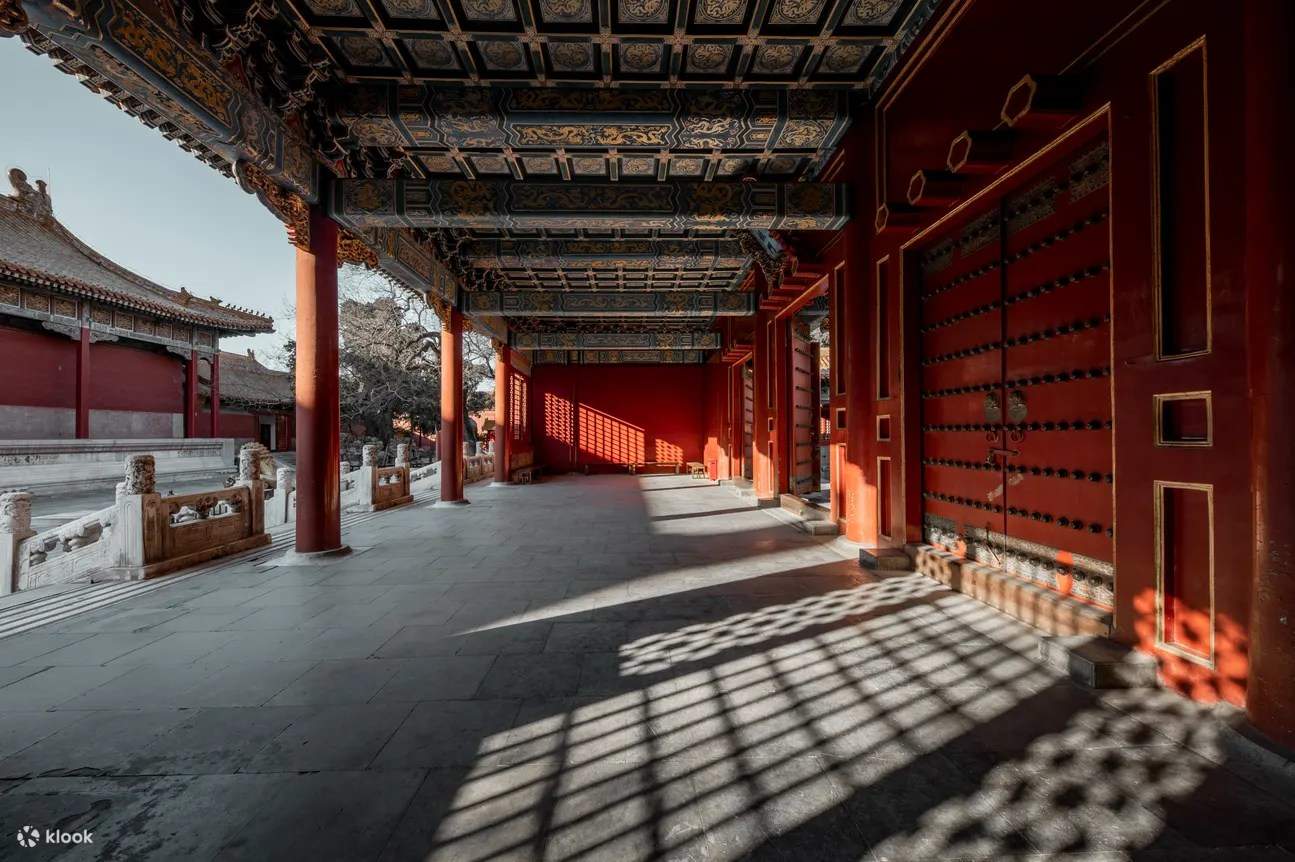
Beijing is where the honeymoon earns its weight. The Forbidden City at first light — before the crowds, when the courtyards are empty and the golden rooftops catch the early sun — is one of the most powerful starts to any trip anywhere in the world. The scale is deliberate: 9,999 rooms designed to make visitors feel the weight of empire. Follow it with the Temple of Heaven, where the circular prayer hall sits in a park that locals use for morning tai chi and ballroom dancing.
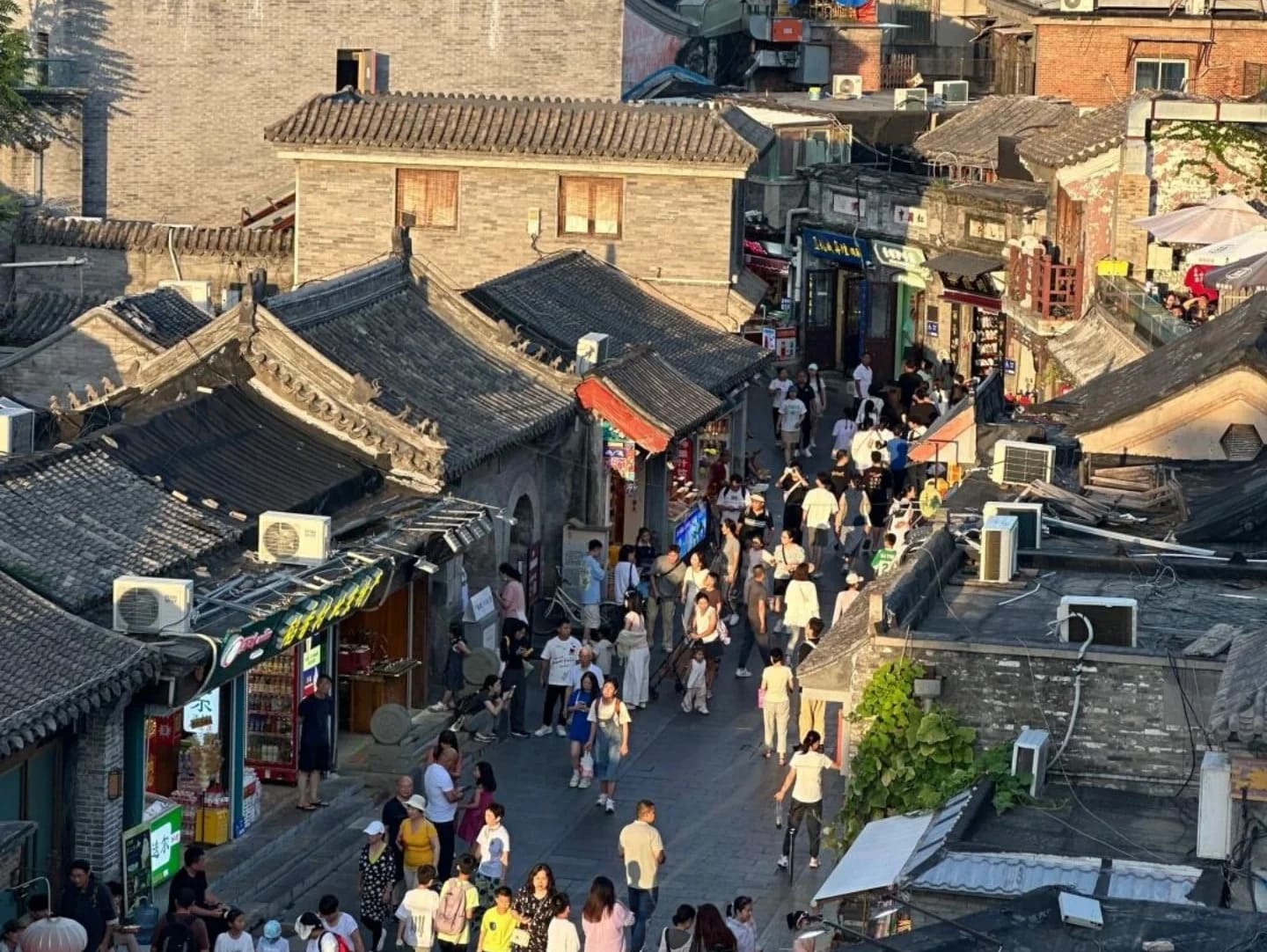
The Great Wall deserves a full day. Skip the crowded Badaling section and drive to Mutianyu or Jinshanling, where the wall runs along forested ridgelines with fewer visitors and longer views. Back in the city, the hutong neighbourhoods — Nanluoguxiang, Wudaoying, the lanes behind the Drum Tower — offer courtyard restaurants, craft tea houses, and an intimacy that the monumental sights do not. Aman Summer Palace is the accommodation that ties it together: a hotel where the imperial garden is quite literally the grounds.
Nights 5-7: Xi’an — Terracotta Army and the Silk Road
Fly to Xi’an for the Silk Road chapter. The Terracotta Army is the headline — eight thousand warriors standing in battle formation beneath a vast hangar, each face individually carved, discovered by accident in 1974 by farmers digging a well. The excavation is still active; archaeologists work in situ while visitors watch from elevated walkways. But Xi’an’s depth extends well beyond a single excavation. The old Muslim Quarter is a labyrinth of street food stalls, mosques and noodle shops where hand-pulled biang biang noodles are made in the doorway while you wait. The city wall is intact and walkable — a fourteen-kilometre circuit that takes a morning by bicycle with views across the old city from every angle.
Three nights in Xi’an gives the two of you time for the Terracotta Army without rushing, a full evening in the Muslim Quarter, and a morning on the city wall before the flight south. Xi’an is quieter than Beijing, and the pace shift is welcome — the honeymoon exhales here.
Nights 8-10: Guilin and Yangshuo — Li River and Karst

Guilin resets the honeymoon entirely. The karst mountains of southern China — vertical limestone towers rising from rice paddies and river bends — are a landscape that belongs more to painting than to geography. A private boat on the Li River from Guilin to Yangshuo is the centrepiece: four hours of drifting past peaks, villages and cormorant fishermen with no sound except the water.
Yangshuo is the base for two nights. The town sits in a valley surrounded by karst, and the countryside around it — by bicycle or by electric scooter — is gentle, green, and quietly spectacular. Take a cooking class where you learn to prepare beer fish, the local speciality, using ingredients bought at the morning market. Drift downstream on a bamboo raft on the Yulong River, quieter and more intimate than the Li. Evenings at riverside restaurants with the mountains silhouetted against the sky. This is the phase of the honeymoon where the two of you slow down completely.
Nights 11-14: Shanghai — The Bund and French Concession
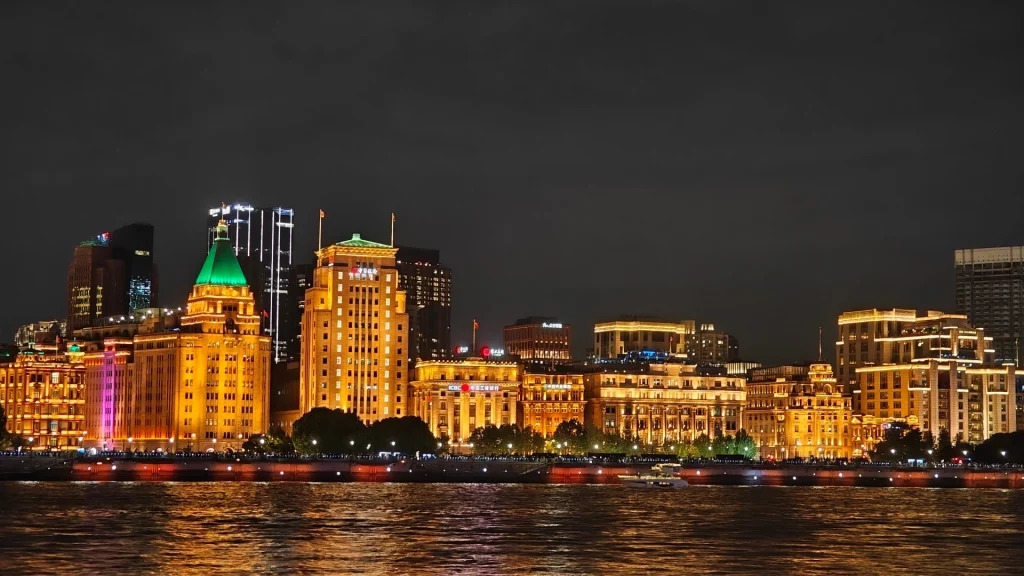
Shanghai is the finish — a city that feels like a different country after the temples and rice paddies. The Bund waterfront is one of the great urban panoramas: Art Deco banking halls on one side, the Pudong skyline on the other, and the Yangtze River delta flowing between them. Walk it at dusk when the lights come on and the scale of the city becomes real.
The French Concession is where Shanghai keeps its intimacy — tree-lined avenues, independent cafés, art galleries in converted lane houses. Spend a day exploring Suzhou, an hour west by train, for classical Chinese gardens that UNESCO recognises as masterpieces of landscape design. Or drive to Hangzhou for West Lake, where poets have been writing about the mist on the water for a thousand years. Peninsula Shanghai anchors the final nights with Bund views, impeccable service, and the feeling that the honeymoon has arrived at its natural conclusion.
See the Full Itinerary — our Classic China Honeymoon follows a similar arc across Beijing, Xi’an, Guilin and Shanghai.
Best Time to Visit China
China’s seasons vary enormously by region — but for a multi-city honeymoon covering north and south, two windows work best. April to mid-June offers warm temperatures, spring blossoms in Beijing and Hangzhou, and the Li River at its most photogenic before the summer haze. September to early November brings clear skies, comfortable temperatures, and autumn colour on the Great Wall and in Guilin’s karst valleys.
Avoid Chinese New Year (late January to mid-February) and the October Golden Week — both bring domestic travel surges that affect accommodation and transport. July and August are hot and humid in the south, though Beijing is manageable. Winter — December to February — is cold in the north but uncrowded, and the Great Wall under snow is extraordinarily beautiful for the two of you who do not mind the chill.
Regions and Experiences to Anchor Your Stay
The Beijing Immersion
Beijing deserves four nights minimum for a honeymoon. Beyond the Forbidden City and the Great Wall, the city offers the Summer Palace, the Temple of Heaven, the hutong neighbourhoods, and a restaurant scene that ranges from century-old Peking duck institutions to contemporary Chinese fine dining led by a new generation of chefs. The pace is slower than Shanghai, the history is deeper, and the accommodation — particularly Aman Summer Palace, where the imperial garden is your morning walk — makes Beijing feel residential rather than touristic. For a deeper exploration, see our Beijing honeymoon guide.
The Guilin-Yangshuo Corridor

The Li River corridor between Guilin and Yangshuo is China’s most celebrated natural landscape — and it earns the reputation. The karst mountains are not dramatic in the way of alpine peaks; they are strange, vertical, and dreamlike, rising from flat water and green fields like something from a scroll painting. Three nights here — one in Guilin, two in Yangshuo — gives the journey its emotional centre.
Optional Extensions: Chengdu, Yunnan, Hangzhou
Fourteen nights covers the essential framework. If the two of you have more time, three additions deepen the itinerary: Chengdu for the giant panda reserves and Sichuan cuisine, Yunnan (Dali, Lijiang) for the Tibetan plateau foothills and minority cultures, or Hangzhou for West Lake and the tea plantations that produce China’s finest Dragon Well green tea. Each adds two to three nights and a genuinely new dimension without repeating what the core itinerary already covers.
How We Plan a China Honeymoon
China is a country where the logistics shape the experience. Internal flights, private guides, transfers between cities, and the sequencing of days — these decisions determine whether the honeymoon feels effortless or exhausting. We begin with a conversation about what the two of you want from China: whether you lean toward the imperial north or the landscape south, whether fourteen nights is the right length or whether an extension to Yunnan or Chengdu makes the journey more complete.
From there, we build the routing, select properties, arrange English-speaking private guides for each city, and deliver a day-by-day plan that works seamlessly when you arrive. Our China partners handle the complexity — the domestic flight timings, the Great Wall section selection, the restaurant bookings at places that do not appear on tourist lists. China rewards planning. We make sure the planning never intrudes on the honeymoon.
Frequently Asked Questions
Is China good for a honeymoon?
Exceptionally. China offers cultural depth, visual drama and gastronomic range that few countries can match. A well-planned China honeymoon — privately guided, with luxury accommodation and thoughtful pacing — is one of the most rewarding journeys the two of you can take.
How many days do you need for a honeymoon in China?
Fourteen nights across four regions is our recommended framework: Beijing (four nights), Xi’an (three), Guilin and Yangshuo (three), Shanghai (four). Shorter itineraries — ten or twelve nights — work but require cutting a region entirely. We do not recommend fewer than ten nights for a China honeymoon.
What are the best cities in China for a honeymoon?
Beijing for imperial history and the Great Wall. Shanghai for contemporary energy and the Bund. Guilin for the Li River and karst landscape. Xi’an for the Terracotta Army and Silk Road heritage. Each serves a different mood, and the strongest itineraries combine all four.
Is China safe for honeymooning couples?
Yes. China is one of the safest countries in Asia for travellers. Violent crime is rare, infrastructure is excellent, and the tourism industry — particularly at the luxury end — is highly developed. Private guides and arranged transfers make navigation straightforward even in cities where English signage is limited.
What is the best time to visit China for a honeymoon?
April to mid-June and September to early November are the two best windows. Both offer comfortable temperatures across north and south China, clear skies, and manageable crowds. Avoid Chinese New Year and the October Golden Week for the smoothest travel experience.
China is not a honeymoon destination you stumble into — it is one you plan deliberately and remember for decades. A country where every city resets the conversation, where the landscapes shift from imperial gardens to karst mountains to neon skylines in the space of a single journey. For the two of you who want a honeymoon with substance behind every day, this is where we’d begin.
Begin Your China Honeymoon
Tell us how many nights you have and what draws you to China — history, landscape, food, or all three. We’ll build the itinerary around the two of you.