
An adventure honeymoon tests what the two of you are made of — glaciers, rainforest canopy, altitude, wildlife encounters where the animal decides how close it comes. A beach honeymoon restores what the wedding took — sleep, warmth, silence, the slow understanding that the two of you have nowhere to be and nothing to prove. The question is not which is better. The question is which one the two of you actually want — and whether the answer might be both.
What Defines an Adventure Honeymoon
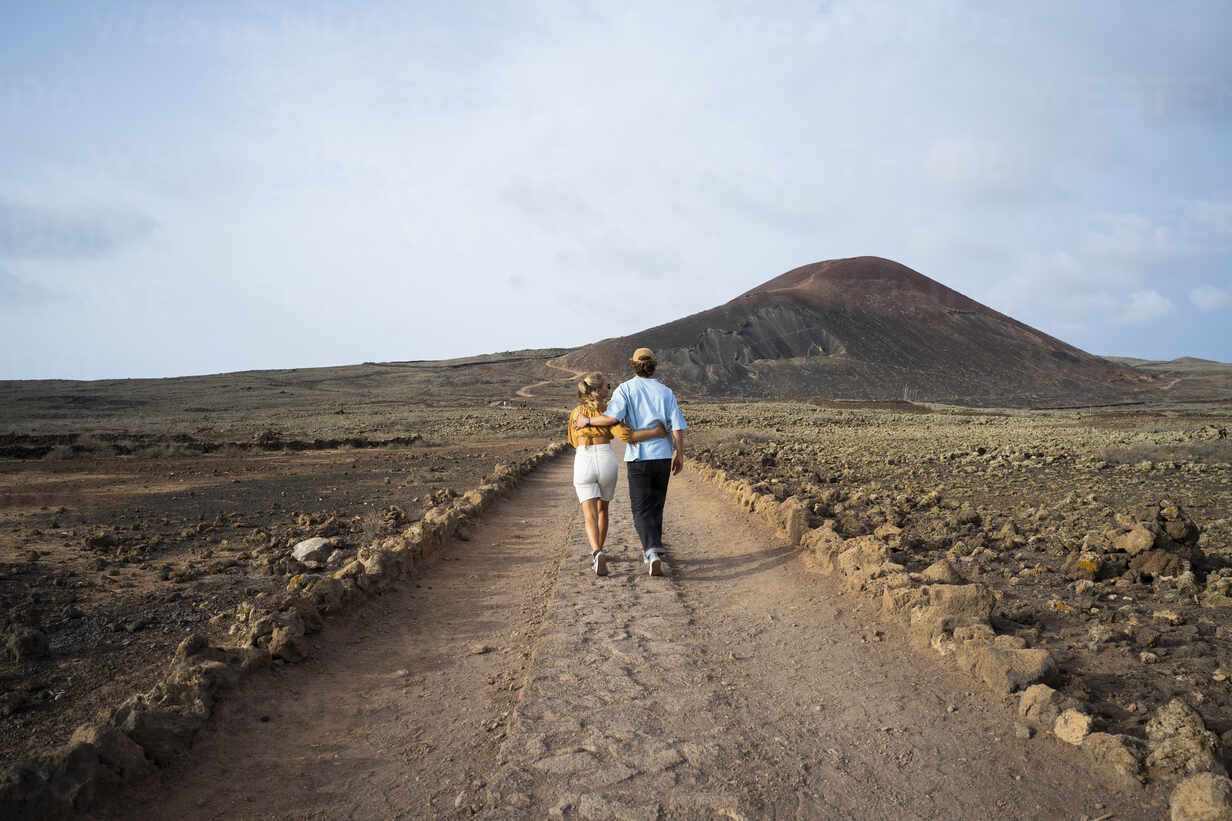
An adventure honeymoon is defined by four characteristics that separate it from a holiday with one activity added.
Physical engagement. The two of you are moving — hiking, kayaking, diving, climbing, crossing terrain that requires attention and effort. The physicality is not optional or ornamental. It is the point. The body is involved in the experience, and the memories are anchored in what the two of you felt — the burn in the legs at altitude, the cold of the water, the weight of the pack — not just what the two of you saw.
Unpredictable encounters. Wildlife on its own terms, weather that changes the plan, a trail that looks different from what the map suggested. Adventure honeymoons involve a degree of uncertainty that beach honeymoons are specifically designed to eliminate. That uncertainty is what makes the stories worth telling.
Specialist infrastructure. The lodges are positioned for access, not for views. The guides are naturalists, mountaineers, or expedition leaders — not hotel staff with a script. The vehicles are built for terrain, not comfort. The Adventure Travel Trade Association defines adventure travel by its combination of physical activity, cultural immersion, and nature — and a genuine adventure honeymoon meets all three.
Pace set by the environment. The two of you wake when the light is right for the activity, eat when the guide says the timing works, and sleep when the body has earned it. The rhythm is external, not internal. The environment decides the schedule.
What Defines a Beach Honeymoon
A beach honeymoon is defined by the opposite set of principles — and they are equally intentional.
Physical restoration. The body rests. The two of you sleep late, swim without distance goals, walk along the shore without a destination. The physical experience is sensory — warmth, salt, sand, the sound of water — not exertional. After months of wedding planning, the body wants to be still, and a beach honeymoon honours that.
Controlled environment. The resort, the villa, the island lodge — these spaces are designed to remove friction. The temperature is managed, the food arrives, the room is prepared. Nothing requires a decision more consequential than whether to eat lunch at the pool or at the restaurant. That absence of decision is the luxury.
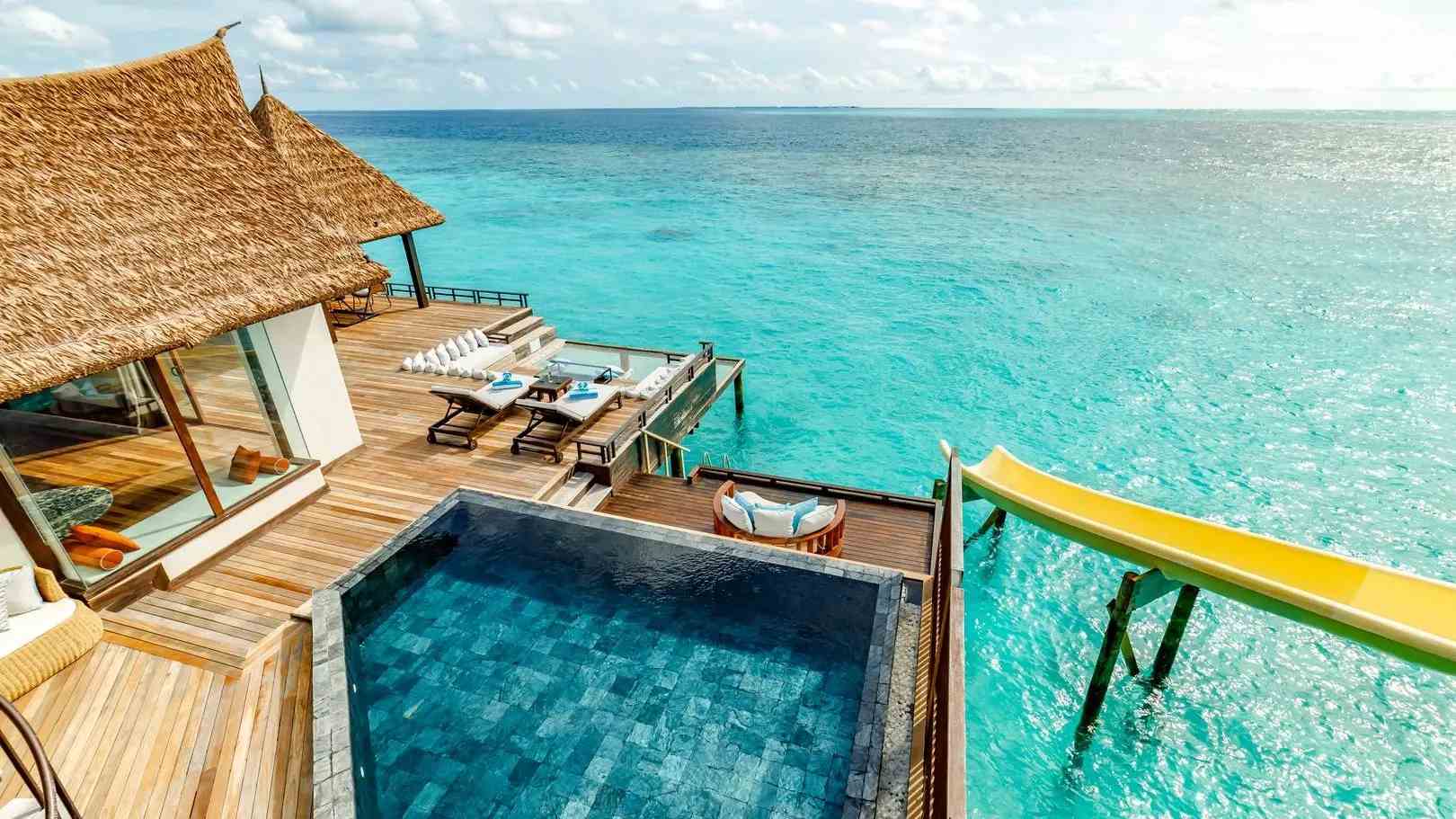
Intimacy by design. Beach honeymoons create private space — the overwater bungalow, the villa with the plunge pool, the table on the sand at sunset. The two of you are together without the presence of a group, a guide, or a schedule. Couples travel at its most focused is two people and a horizon.
Pace set by the two of you. No alarms, no transfers, no briefings. The two of you decide when the day starts and what it contains. A beach honeymoon is a conversation between the two of you and the water, and the water is patient.
Adventure Honeymoon Destinations
Antarctica — The Expedition
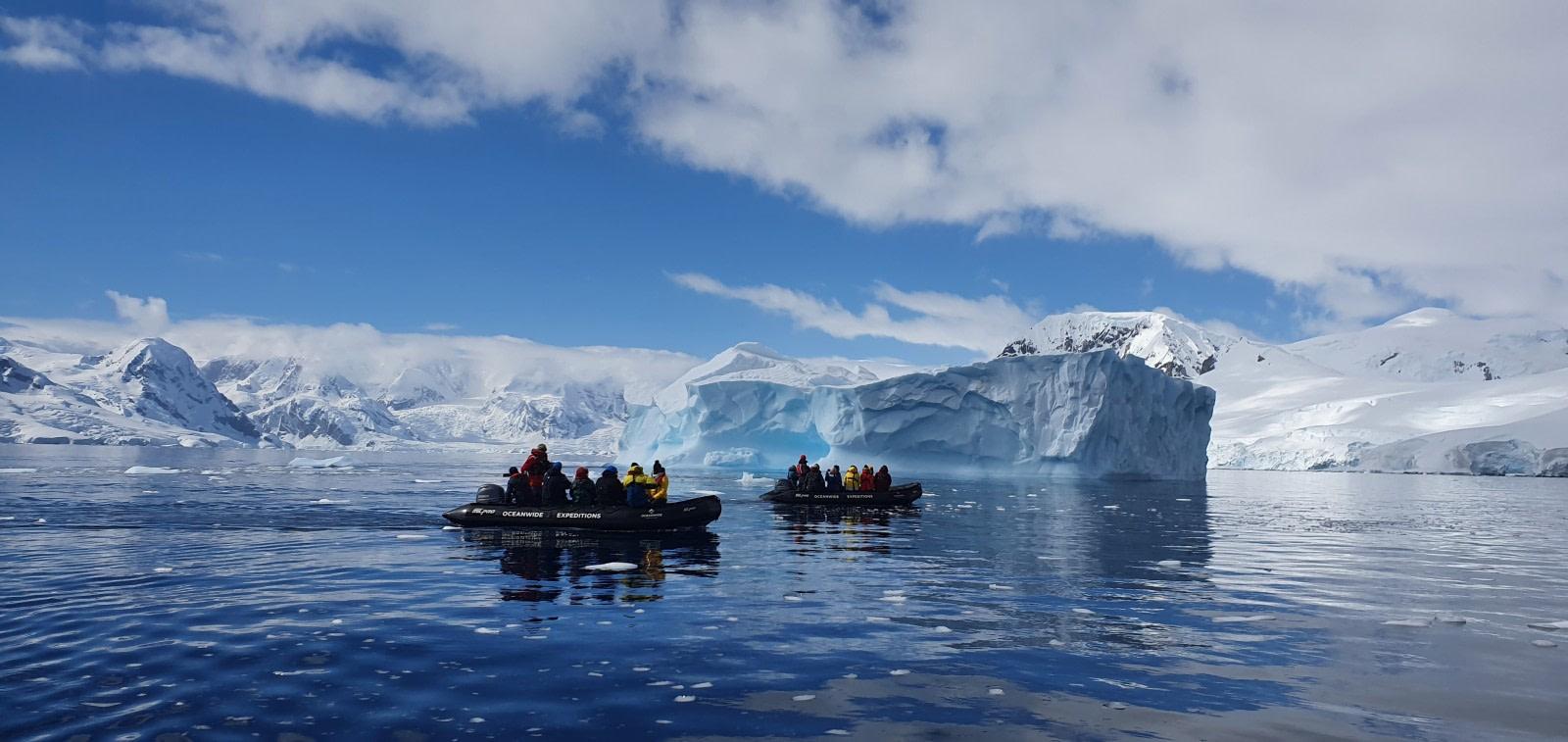
Antarctica is the most extreme adventure honeymoon on earth — a ten-to-twelve-day expedition from Ushuaia across the Drake Passage to the Antarctic Peninsula, where the two of you zodiac between icebergs, walk among penguin colonies, and camp on the continent itself under twenty-four hours of twilight. There is no resort, no Wi-Fi, no schedule that survives contact with the ice. The expedition ship is home, and the continent reveals itself according to weather and sea conditions. Read the full Antarctica honeymoon guide.
Borneo — The Rainforest
Borneo is the adventure honeymoon built around wildlife — the orangutans of the Danum Valley, the pygmy elephants of the Kinabatangan River, the proboscis monkeys visible from the river lodge at dawn. The two of you hike through primary rainforest older than most civilisations, sleep in canopy lodges suspended above the forest floor, and wake to the sound of gibbons calling across the valley. The physical engagement is constant but measured — river kayaking, night walks, canopy walks at thirty metres — and the encounters are earned, not staged. Read the full Borneo honeymoon guide.
Nepal — The Mountains
Nepal is altitude, culture, and physical challenge compressed into a landscape where the highest mountains on earth rise directly above medieval cities. The two of you trek through the Annapurna foothills or the Langtang Valley, sleep in mountain lodges, eat dal bhat at elevation, and return to the Kathmandu Valley for the cultural counterpoint — temples, Durbar Squares, and the Hindu-Buddhist layering that makes Nepal’s heritage unlike anywhere else. Read the full Nepal honeymoon guide.
Bolivia — The Altitude
Bolivia is the adventure honeymoon that feels like another planet. The Salar de Uyuni — the world’s largest salt flat — creates a mirror of the sky during the wet season that erases the horizon entirely. The two of you drive across the surface, camp at the edge under the densest star field in South America, and visit Tiwanaku, the pre-Inca civilisation that built pyramids at four thousand metres without the wheel or written language. Everything in Bolivia happens at altitude, and the altitude changes how the two of you experience the landscape — slower, more deliberate, more aware of the body. Read the full Bolivia honeymoon guide.
Iceland — The Elements
Iceland is fire and ice as a daily experience — the two of you walk between tectonic plates at Thingvellir, hike on glaciers in Vatnajökull, soak in geothermal rivers in the Highlands, and drive a landscape that shifts from volcanic desert to moss-covered lava fields within an hour. Iceland works as an adventure honeymoon because the scale is manageable — the country is compact, the roads are good, and the wilderness is never more than thirty minutes from a hot spring. Read the full Iceland honeymoon guide.
Beach Honeymoon Destinations
Antigua — The Caribbean Classic
Antigua is three hundred and sixty-five beaches on a single island — one for every day of the year, according to the locals, and enough for the two of you to find one that feels private on any given morning. The west coast offers calm, protected water and sunset views from beach bars that have not changed in decades. The east coast adds trade-wind energy and the historic dockyard at English Harbour, where Nelson’s fleet once anchored. Read the full Antigua honeymoon guide.
Mozambique — The Indian Ocean Alternative
Mozambique is the beach honeymoon for the two of you who have already done the Maldives and want the Indian Ocean without the resort formula. The Bazaruto Archipelago offers sandbanks, whale sharks, and dhow sailing. The Quirimbas add coral island isolation and Swahili architecture. The beach is the anchor, but the culture — the food, the fishing villages, the Portuguese colonial layer — gives Mozambique a texture that pure resort destinations do not have. Read the full Mozambique honeymoon guide.
Indonesia — The Spiritual Beach
Indonesia — specifically Bali — offers a beach honeymoon with a cultural and spiritual dimension that no Caribbean island can match. The rice terrace ceremonies, the daily temple offerings, the Ubud art scene — these fill the days when the two of you are not on the sand. The beaches of Seminyak and Nusa Dua provide the warmth and the horizon, but the honeymoon lives in the space between the beach and the temple. Read the full Indonesia honeymoon guide.
Qatar — The Urban Beach
Qatar is the beach honeymoon that trades sand isolation for architectural spectacle. The two of you swim at the Banana Island resort in the morning and stand in the Museum of Islamic Art in the afternoon. The beach is present — the Gulf coast, the private island resorts — but the honeymoon is enriched by Doha’s cultural infrastructure in a way that pure beach destinations cannot replicate. Read the full Qatar honeymoon guide.
The Split-Trip — When the Two of You Want Both
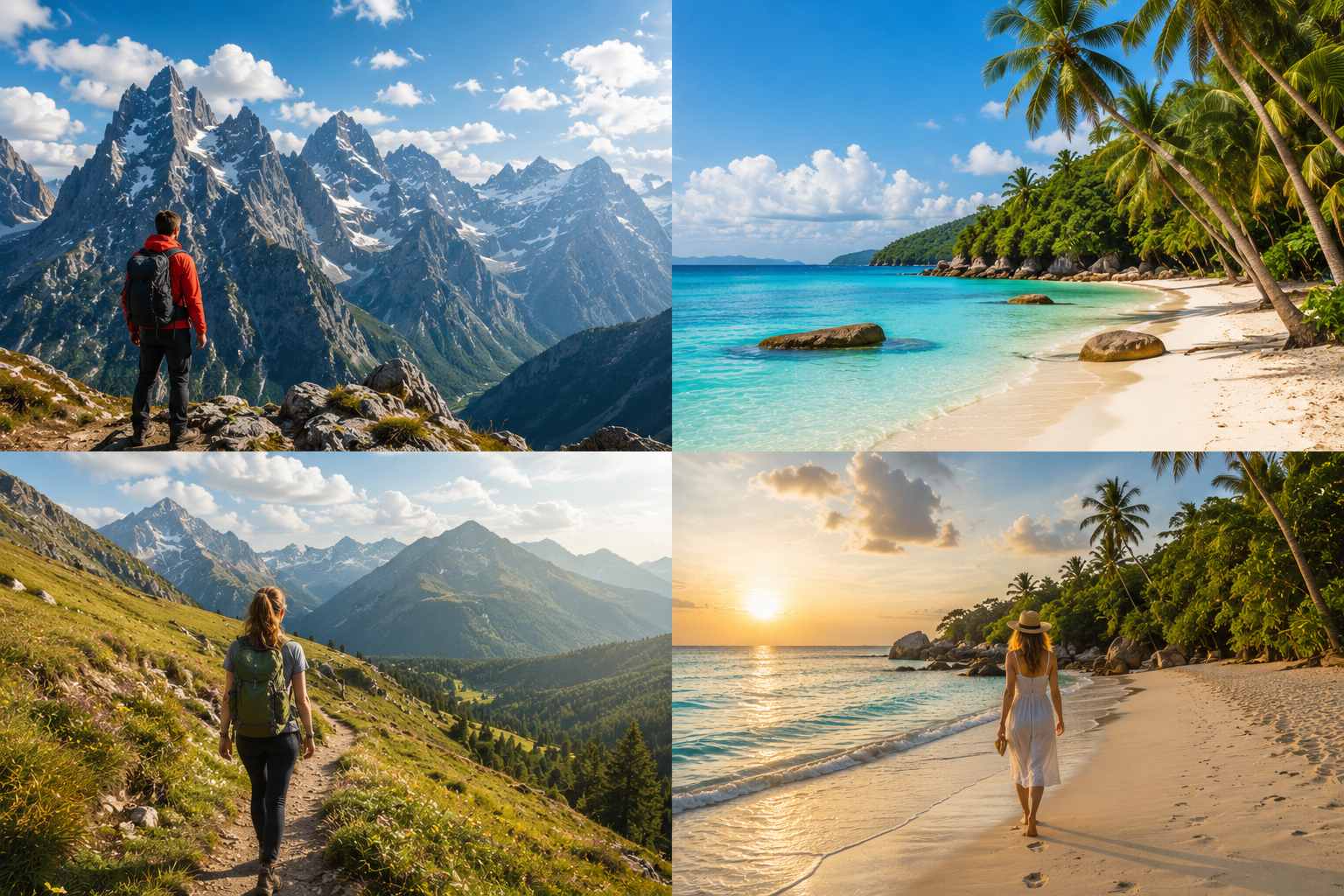
The two of you do not have to choose. The most satisfying honeymoons we design are often split-trips — five to seven nights of adventure followed by four to five nights of beach, or the reverse. The sequence matters. We almost always recommend adventure first, beach second. The logic is simple: the two of you arrive at the beach having earned it. The body is tired from the hiking, the kayaking, the altitude. The resort is not a default. It is a reward. And the contrast — from glacier to sand, from expedition ship to overwater villa, from rainforest canopy to infinity pool — makes both halves more vivid than either would be alone.
The combinations that work best are the ones where geography cooperates. Nepal into Bali — the Himalayan trek followed by the Balinese spa — connects through Southeast Asian hubs with a single short flight. Bolivia into Mozambique — the Altiplano into the Indian Ocean — requires more routing but delivers the most dramatic contrast in the portfolio. Iceland into Antigua — the volcanic north into the Caribbean south — works for the two of you who want both hemispheres in a single trip and do not mind the transit day between them.
The timing within each half matters as much as the sequence. On the adventure side, we avoid scheduling the most physically demanding day first — the two of you arrive jetlagged and wedding-tired, and a glacier hike on day one creates resentment rather than exhilaration. We build in a warm-up day, then escalate. On the beach side, we avoid scheduling anything at all for the first two days — no spa appointment, no sunset cruise, no dinner reservation the two of you feel obligated to keep. The transition from adventure to beach should feel like exhaling, not like starting a second itinerary.
The split-trip is not a compromise. It is its own category of honeymoon planning — a travel style that acknowledges the two of you are not one thing. The two of you are both the hikers and the swimmers, both the adventurers and the resters. The honeymoon should reflect that.
How We Help the Two of You Choose
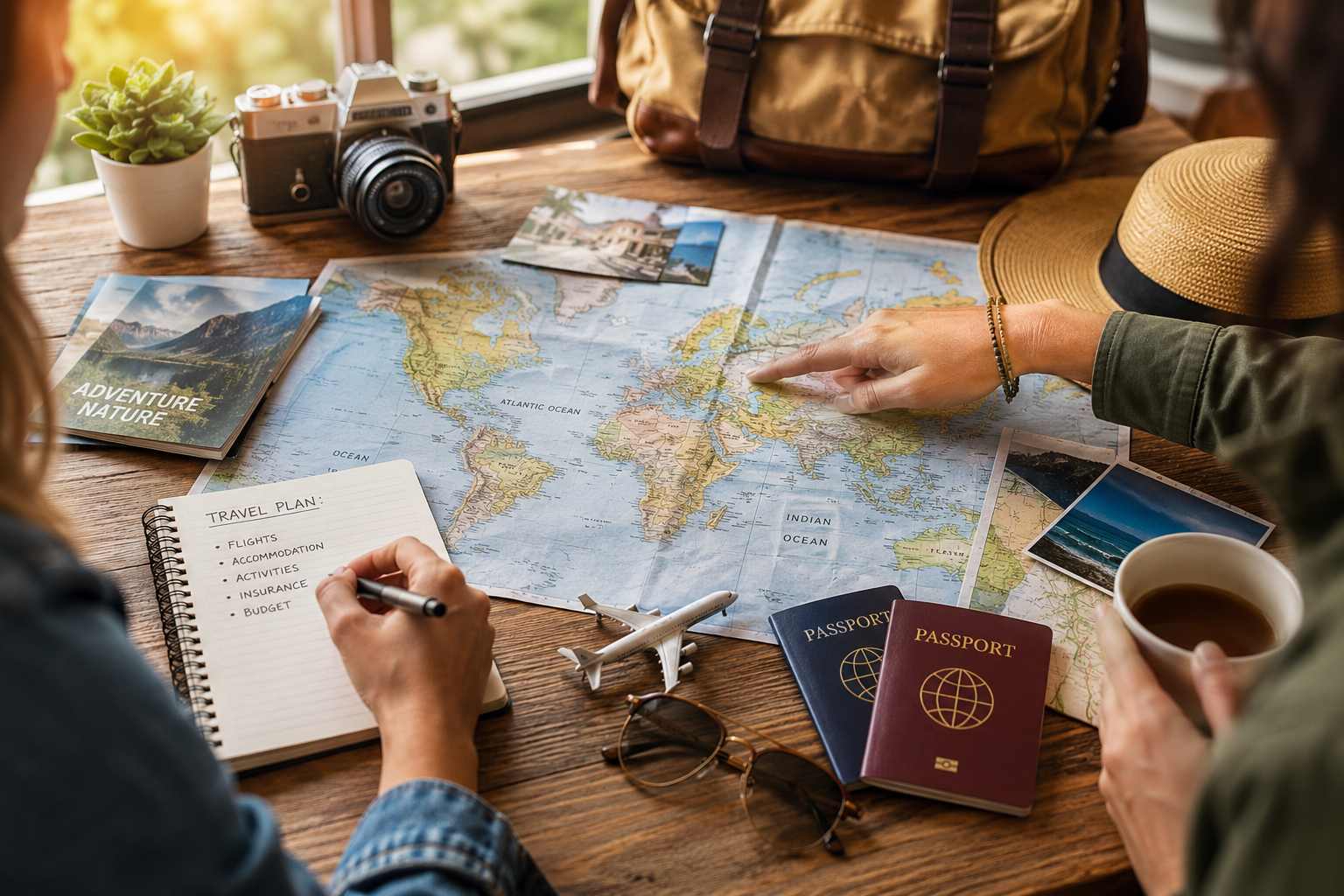
The conversation starts with one question: what do the two of you want to feel at the end of the honeymoon? If the answer is “accomplished” — we have climbed, we have seen, we have pushed ourselves — the direction is adventure. If the answer is “restored” — we have slept, we have reconnected, we have let go of the wedding stress — the direction is beach. If the answer is “both” — we have done something extraordinary and then we rested — the direction is a split-trip.
From there, we match the destination to the two of you’s experience level, physical comfort, and travel history. A couple who has never left Europe gets a different adventure recommendation than a couple who has already trekked in Patagonia. A couple who finds resort culture stifling gets a different beach recommendation than a couple who wants the full private-island treatment. The destinations exist on a spectrum, and our job is to find the point on that spectrum where the two of you feel most like yourselves.
We do not take sides. We do not believe adventure is more meaningful than rest, or that beach honeymoons lack depth. We believe the best honeymoon is the one where the two of you return home and agree, without reservation, that it was exactly right.
Frequently Asked Questions
What is the difference between an adventure and a beach honeymoon?
An adventure honeymoon involves physical engagement, unpredictable encounters, and a pace set by the environment — glaciers, rainforest, mountains. A beach honeymoon involves physical restoration, controlled environments, and a pace set entirely by the two of you.
Can you combine adventure and beach in one honeymoon?
Yes. A split-trip — five to seven nights of adventure followed by four to five nights of beach — is one of the most popular formats we design. Nepal into Bali, Bolivia into Mozambique, and Iceland into Antigua are proven combinations.
Which is more expensive — adventure or beach?
Neither inherently. Antarctica and Greenland are premium adventure destinations. Bolivia and Nepal are comparable to mid-range beach resorts. Antigua and Mozambique span a wide price range depending on the property. The cost depends on the destination and the level of accommodation, not the honeymoon style.
How do I know which style is right for us?
Ask what the two of you want to feel at the end: accomplished or restored. If the answer is both, a split-trip gives the two of you both registers. We start every planning conversation with this question.
Best adventure honeymoon destinations 2026?
Antarctica for polar expedition, Borneo for rainforest wildlife, Nepal for Himalayan trekking, Bolivia for surreal Altiplano landscapes, and Iceland for volcanic terrain and geothermal exploration.
Begin Your Honeymoon Conversation
Tell us what the two of you want to feel — accomplished, restored, or both. We will design the honeymoon that matches.